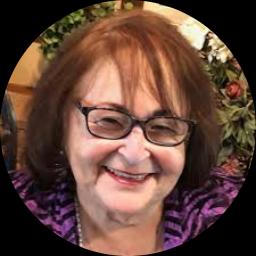
About Linda
Linda Skale, LCSW, helps people who are feeling overwhelmed by stress, anxiety, grief, trauma, and major life changes. She brings a calm presence and straightforward support to sessions. Her approach centers on listening closely and responding to each person's needs.
She emphasizes respect, sensitivity, and compassion in every interaction. Over 40 years in practice have given her experience with depression, mood disorders, and the long effects of trauma and abuse.
Background and approach
She also works with people dealing with abandonment, guilt and shame, isolation, social anxiety and phobia, and women’s issues. Sessions focus on practical steps clients can take day to day. Conversations are shaped around immediate concerns and longer term goals.
Linda uses Client-Centered Therapy to keep the work focused on the client’s perspective. That means she follows the person’s lead while offering reflections and gentle guidance. She tailors dialogue and the plan of care to match individual needs rather than applying a one-size-fits-all method.
People often come for help when life feels unsettled or they are recovering from loss. Linda aims to support and empower clients as they take the next steps toward a more manageable life. She encourages small, realistic changes that add up over time.
Sessions can include talking through feelings, identifying patterns that cause distress, and practicing new ways of coping. The goal is steady progress that fits the client’s pace and priorities.
Client-centered care delivered online
Client-Centered Therapy focuses on creating a listening space where the client guides the conversation. The therapist reflects what she hears, clarifies feelings, and helps the person make sense of their experience. This approach is useful for anxiety, grief, trauma recovery, and coping with life changes because it respects the client’s pace and priorities.Linda emphasizes collaboration when choosing how to work together. She will talk with the client about goals, preferences, and what feels most comfortable. Together they decide which methods and session formats best match the client’s situation and aims.
Online sessions are offered by video calls, phone sessions, live chat, or text-based messaging to provide flexibility. Video allows face-to-face conversation and visual cues. Phone sessions can be easier when bandwidth is limited or when a shorter check-in is preferred. Live chat and text-based messaging let people send messages between scheduled sessions and use written communication when that fits better. These options make it simpler to fit therapy around work, family, and daily life while keeping the focus on steady progress.
Questions people ask
What concerns does she address?
How would you describe her therapeutic style?
What is her professional background?
Where is she licensed and located?
Which languages are supported?
Can people outside the U.S. work with her?
What session formats are available?
How do fees and scheduling work?
What this therapist works with
Most often
Also listed
Therapeutic approaches
- Experience
- 40 years
- Licensed
- California
- Languages
- English
We will earn a commission if you sign up through our link, at no cost to you.