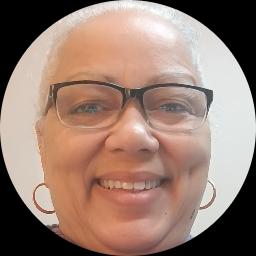
About LaNita
LaNita Dyer is a licensed marriage and family therapist who helps people managing stress, anxiety, grief, low self-esteem, bipolar disorder, and depression. She speaks plainly and offers a calm, respectful approach for people who feel overwhelmed or stuck. Her style aims to make the first steps feel doable and less scary.
With 12 years of practice in California, she focuses on practical conversations that match each person's needs. She listens for what matters most and builds simple goals you can try between sessions.
Background and approach
The work is collaborative and paced to your comfort level. LaNita uses Solution-Focused Therapy to spotlight what is working and to identify small, achievable changes. She draws on everyday strengths to help restore motivation and confidence after loss or a big life change.
For people facing divorce or separation, she helps sort priorities and cope with emotional strain. She also supports people exploring self-love and sexuality, and those dealing with social anxiety or phobia. Sessions aim to increase skills for handling triggers and to rebuild a sense of control.
Progress is measured in concrete steps rather than abstract promises. LaNita adjusts the plan as you move forward and keeps conversations sensitive and nonjudgmental. She recognizes that starting therapy takes courage and offers steady, practical guidance to help you make lasting changes.
Using Solution-Focused Methods Online
LaNita often uses Solution-Focused Therapy, which narrows in on small, practical changes that move you toward your goals. This approach asks what is already working and builds simple steps you can try between sessions to create fast momentum.She frames sessions as collaborative conversations. Together you identify priorities, set short-term goals, and track progress. If an approach does not fit, she works with you to adjust methods and find what helps you feel more capable and motivated.
Online formats available include video calls, phone sessions, live chat, and text-based messaging. Video calls let you talk face to face and work through exercises. Phone sessions are useful when bandwidth is limited or for a quieter check-in. Live chat and text messaging are convenient for brief updates, check-ins, and when scheduling or time makes a shorter contact preferable. These options aim to make therapy easier to fit into daily life while keeping the focus on practical steps and steady progress.
Questions people ask
What concerns does she help with?
How would you describe her therapeutic style?
How much clinical experience does she have?
What credentials and region are listed?
Which languages are supported for sessions?
What session formats are available?
How does cost and billing work?
What are the steps to begin therapy?
What this therapist works with
Most often
Also listed
Therapeutic approaches
- Experience
- 12 years
- Licensed
- California
- Languages
- English
We will earn a commission if you sign up through our link, at no cost to you.