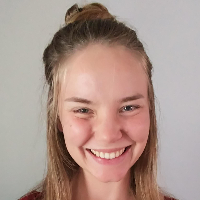
About Jennifer
Jennifer Robart is a licensed clinical social worker who helps people manage anxiety, stress, addiction recovery issues, grief, and mood concerns. She brings six years of clinical experience and a straightforward, empathetic style to each session. Jennifer focuses on practical steps clients can use right away to feel steadier in daily life.
She spent several years supporting people through drug and alcohol recovery from 2018 to 2021, which exposed her to related challenges like trauma, depression, anger, and major life transitions.
Background and approach
That work shaped her interest in blending goal-focused strategies with compassionate listening. Sessions aim to be judgment-free and down to earth. Jennifer uses Cognitive Behavioral Therapy and Motivational Interviewing to help people clarify goals and change habits that cause distress.
In short conversations she helps clients notice unhelpful thoughts and try new actions that lead to different results. Motivational Interviewing is used to strengthen a person’s own reasons for change. Her approach is warm, conversational, and client-directed.
She emphasizes meeting people where they are and building on their strengths. People leave sessions with concrete next steps they can practice between meetings. Jennifer is based in Illinois and works with adults dealing with anxiety, addiction recovery, grief, relationship challenges, self-esteem issues, bipolar and depression.
She offers sessions by video call, phone, live chat, or text messaging to fit different schedules and needs.
How CBT and Motivational Interviewing work online
Jennifer uses Cognitive Behavioral Therapy to help people spot and test unhelpful thoughts and behaviors. CBT breaks problems into smaller parts so clients can try different responses and notice what changes. This approach is often helpful for anxiety, depression, and stress-related symptoms.She also draws on Motivational Interviewing to support people who are ready to change habits or make big decisions. That method focuses on a person’s own reasons for change and helps build motivation without pressure. It can be useful for addiction recovery, stuckness, or any situation where commitment feels hard.
Finding the best approach is part of the work together. The therapist will talk with each person about goals, preferences, and what feels most useful. They collaborate to choose strategies and adjust them over time so sessions match real life needs.
Online sessions are offered by video call, phone, live chat, or text-based messaging to make therapy more flexible. Video is good for deeper conversations and visual cues, while phone calls use less bandwidth and can fit into a work break. Live chat or text messaging can be used for shorter check-ins or when typing feels easier. These options help people fit therapy into a busy life and try different ways of connecting with a licensed professional.
Questions people ask
What kinds of concerns does she help with?
What is her therapeutic style like?
How much clinical experience does she have?
What credentials and location are listed?
Which languages are sessions offered in?
What session formats are available?
How does pricing work for sessions?
What are the first steps to begin working together?
What this therapist works with
Most often
Also listed
- Anger management
- Bipolar disorder
- Compassion fatigue
- Coping with life changes
- Depression
- Family conflicts
- Intimacy-related issues
- Relationship issues
- Self esteem
- Trauma and abuse
Therapeutic approaches
- Experience
- 6 years
- Licensed
- Missouri, Illinois
- Languages
- English
We will earn a commission if you sign up through our link, at no cost to you.