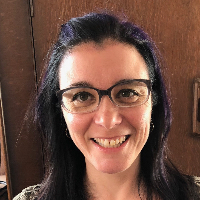
About Jennifer
Jennifer Haskett is a licensed marriage and family therapist who helps people facing anxiety, stress, depression, relationship strain, and substance concerns. She focuses on practical steps clients can take to change patterns that no longer work. Jennifer writes plainly and meets people where they are to begin workable change.
Her approach blends cognitive behavioral ideas with family systems thinking. That means she helps clients notice unhelpful thoughts and behaviors and also looks at how relationships and family patterns shape problems.
Background and approach
Sessions tend to be straightforward and goal oriented, with attention to both current struggles and the bigger relational context. Jennifer has practiced as a California LMFT since 2008 and brings five years of experience in her current work. She uses tools that help with sleep problems, grief, trauma responses, anger, and questions about intimacy and self-esteem.
She also addresses career stress and parenting challenges in individual sessions. In the room she focuses on clear strategies you can try between sessions. That can include behavior changes, thought-challenging, and small experiments to test new ways of relating.
She encourages steady progress rather than quick fixes. Outside of clinical work she balances family life and enjoys camping and beach outings. That perspective informs a practical style that values real-life solutions and steady, manageable progress.
Approaches you can use online
Jennifer draws on cognitive behavioral techniques to help people notice and change unhelpful thoughts and behaviors. This approach is useful for anxiety, sleep problems, low mood, and patterns that keep people stuck. She also uses family systems ideas to look at how relationships and family patterns influence current struggles and to identify small changes that can shift interactions.Choosing the right approach is a collaborative process. The therapist will work with you to identify goals, try techniques, and adjust the plan based on what helps most. Expect a mix of talking, skill practice, and simple exercises to try between sessions so progress can be measured and refined together.
Online sessions are offered by video calls, phone sessions, live chat, or text-based messaging to provide flexibility. Video calls are good for face-to-face conversation and visual cues. Phone sessions work well when bandwidth is limited or when being on camera is not desired. Live chat and text messaging allow shorter, focused check-ins and can fit into busy days. These options make it easier to fit therapy into work, parenting, or travel schedules while keeping continuity of care.
Questions people ask
What kinds of problems does she help with?
How would you describe her therapeutic style?
What experience does she bring to sessions?
What credentials and location are listed for this therapist?
Which languages are available for sessions?
What session formats are offered?
How is cost handled for sessions?
How do I begin working with her?
What this therapist works with
Most often
- Addictions
- Relationship issues
- Family conflicts
Also listed
- Anger management
- Career difficulties
- Depression
- Grief
- Intimacy-related issues
- LGBT
- Parenting issues
- Self esteem
- Sleeping disorders
- Stress, Anxiety
- Trauma and abuse
- Experience
- 5 years
- Licensed
- California
- Languages
- English
We will earn a commission if you sign up through our link, at no cost to you.