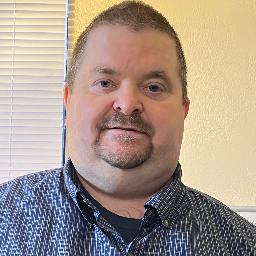
About James
James Gilligan is a Licensed Clinical Social Worker (LCSW) based in Florida who helps people managing stress, anxiety, depression, trauma, and addiction. He works with clients on relationship strain, parenting challenges, grief, and sleep or eating problems. He aims to create straightforward, practical plans people can use between sessions.
He earned a Master’s degree in social work from Florida International University and has practiced for about 20 years. Early in his career he worked in Miami-Dade County schools providing individual and group support.
Background and approach
That experience shaped his focus on real-life challenges and family patterns. He has extensive experience with serious mental health issues, including bipolar disorder and major depression, and has worked with active duty military since 2007. He has supported people dealing with PTSD, domestic violence concerns, and the stressors that come from dysfunctional family systems.
James uses a mix of practical approaches in sessions. He blends attachment-based ideas with client-centered conversation and cognitive-behavioral tools. He also uses dialectical behavior strategies and EMDR when appropriate to address trauma and strong emotional reactions.
Sessions are collaborative and goal-focused. He helps people set clear steps and practices they can try between meetings. He also offers coaching-style support for career and life changes, and he pays attention to patterns like abandonment, codependency, and communication problems.
How James Uses Therapy Approaches Online
Attachment-based work focuses on patterns people carry from early relationships and how those patterns affect current bonds. Online sessions can help people recognize attachment reactions and practice new ways of connecting and communicating in daily life.Cognitive Behavioral Therapy, or CBT, looks at how thoughts influence feelings and behaviors and teaches concrete strategies for change. In remote sessions clients learn specific skills like thought records and behavior experiments they can try between meetings to reduce anxiety and improve mood.
Eye Movement Desensitization and Reprocessing, EMDR, is used with trauma to help process upsetting memories and reduce their intensity. When EMDR is used online the therapist guides paced processing and coping strategies while monitoring the client’s responses throughout the session.
Finding the right approach is part of the work. The therapist will talk with each person about goals, symptoms, and preferences and then suggest a plan. This collaborative process makes it easier to adjust methods if something isn’t working.
Online formats include video calls, phone sessions, live chat, and text-based messaging. Video is useful for full conversation and skill practice, phone can fit a shorter check-in or lower bandwidth, chat and text work well for brief coaching, check-ins, or when writing things out helps. These options offer flexibility so sessions can fit into work days, caregiving routines, or travel schedules.
Questions people ask
What concerns does this therapist address?
What is his therapeutic style like?
How much experience does he have?
What credentials and location are listed?
Which languages and international options are available?
In what formats are sessions offered?
How does cost and billing work?
What are the first steps to begin therapy?
What this therapist works with
Also listed
- Abandonment
- Anger management
- Attachment issues
- Bipolar disorder
- Career difficulties
- Coaching
- Codependency
- Communication problems
- Compassion fatigue
- Coping with life changes
- Depression
- Eating disorders
- Family conflicts
- Grief
- Intimacy-related issues
- Parenting issues
- Relationship issues
- Self esteem
- Sleeping disorders
- Veteran and Armed Forces Issues
Therapeutic approaches
- Experience
- 20 years
- Licensed
- Florida
- Languages
- English
We will earn a commission if you sign up through our link, at no cost to you.