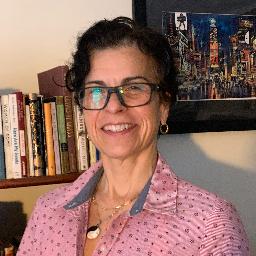
About Ines
Ines Mora is a bilingual licensed mental health counselor who helps people managing stress and anxiety. She speaks English and Spanish and aims to make conversations straightforward and easy to follow for people seeking support. Her approach is practical and down-to-earth, with short-term options when that fits the person's needs.
She uses Client-Centered skills to listen and reflect what matters most to each person. Cognitive Behavioral Therapy techniques are used to notice and change unhelpful thoughts and habits.
Background and approach
Dialectical Behavior Therapy skills are added when emotion regulation and coping strategies are needed. Ines earned a Master of Arts in Counseling Psychology from Lesley University in Cambridge, Massachusetts. She brings 12 years of experience working with anxiety, depression, trauma, anger, and related concerns.
She also has experience supporting people who identify as LGBT and those diagnosed with Autism or Asperger Syndrome. Sessions focus on clear goals and practical steps people can use between meetings. Ines often combines short-term strategies with skills practice to help manage crises and everyday stress.
She balances active listening with tools people can apply right away. Outside of her work she enjoys being active and running in New England. That personal interest in movement informs her belief in small, steady changes over time.
How these approaches work online
Client-Centered Therapy focuses on listening and understanding each person's priorities. The therapist reflects concerns back and helps people set the goals they want to work on, which can be especially useful when dealing with anxiety or life changes. Cognitive Behavioral Therapy (CBT) looks at how thoughts and behaviors influence feelings and teaches practical steps to shift unhelpful patterns; it is often used for anxiety and depression. Dialectical Behavior Therapy (DBT) offers concrete skills for managing strong emotions and improving coping strategies, helpful when anger or intense stress are present.Choosing the right approach is a collaborative process. The therapist will discuss needs, goals, and preferences and then try methods that fit the person. Over time the plan can be adjusted based on what is working and what feels most helpful.
Online sessions are offered by video calls, phone sessions, live chat, or text-based messaging to make scheduling easier. Video calls allow for face-to-face conversation; phone sessions can be a good option when bandwidth is limited or a quicker check-in is needed. Live chat and text-based messaging let people share progress and get short, ongoing support between meetings. These options help people fit therapy into busy lives and access consistent care across distances.
Questions people ask
What concerns does this therapist address?
What is the style of therapy like in sessions?
How much experience does the therapist have?
What are the therapist's credentials and location?
Which languages are offered for sessions?
In what formats can I meet with the therapist?
How are sessions billed and what do costs look like?
How do I begin working with this therapist?
What this therapist works with
Most often
Also listed
- Anger management
- Autism and Asperger Syndrome
- Coping with life changes
- LGBT
- Life purpose
- Self-love
- Trauma and abuse
Therapeutic approaches
- Experience
- 12 years
- Licensed
- Massachusetts
- Languages
- English, Spanish
We will earn a commission if you sign up through our link, at no cost to you.