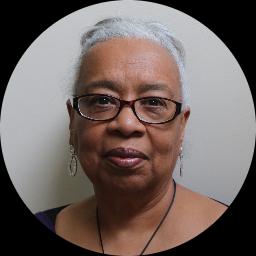
About Hope
Hope Richardson is a licensed clinical social worker with 20 years of experience helping people manage stress and anxiety. She focuses on grief, low self-esteem, depression, and life changes. Hope speaks plainly and aims to make first steps feel manageable for someone who is worried or unsure.
She believes each person knows their story best and brings their own strengths to therapy. Sessions start by listening to what matters most and identifying small, practical steps.
Background and approach
Hope uses clear goals and simple tools that people can use between sessions to feel steadier. Her work often addresses the ripple effects of long-term illness, caregiving strain, and aging concerns. She also helps with feelings of isolation, guilt, and questions about life purpose.
Veterans and women with mood-related concerns are included in her focus areas. Hope blends client-centered listening with structured cognitive behavioral techniques. That means she makes space for personal experience while offering skills to change unhelpful thoughts and habits.
The balance is practical and down-to-earth, with an emphasis on what helps in day-to-day life. Sessions are offered from Virginia and conducted in English. Hope recognizes that starting therapy takes courage and aims to meet people where they are, guiding them toward clearer coping strategies and improved emotional balance.
How Hope’s Approaches Work Online
Hope uses client-centered therapy to create a space where the person feels heard and understood. This approach focuses on listening, reflecting, and helping people name their own goals so they can move forward at their own pace.She also uses cognitive behavioral therapy, which teaches clear skills to change patterns of thought and behavior that contribute to anxiety and low mood. CBT sessions often include practical exercises and simple homework to try between meetings, useful for stress, worry, and depressive symptoms.
Choosing the right approach is a shared process. Hope will work together with each person to match methods to their needs, goals, and preferences. That collaborative planning helps set realistic steps and keeps work focused on what matters most to the individual.
Online formats include video calls, phone sessions, live chat, and text-based messaging. Video is good when visual cues are helpful and more connection is wanted. Phone sessions work well when bandwidth is limited or a shorter check-in is needed. Chat and messaging offer flexible ways to share thoughts between synchronous meetings and can fit into busy days.
Questions people ask
What kinds of concerns does Hope address?
How would you describe her therapy style?
What is her clinical background?
Where is she licensed and based?
Can people outside the United States sign up?
What session formats are available?
How does billing and cost work?
How do I begin working with her?
What this therapist works with
Most often
Also listed
Therapeutic approaches
- Experience
- 20 years
- Licensed
- Virginia
- Languages
- English
We will earn a commission if you sign up through our link, at no cost to you.