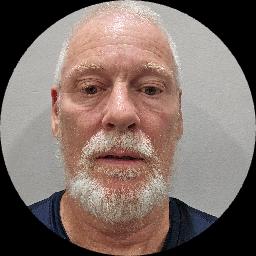
About Harold
Harold Kellogg is a licensed clinical social worker with 26 years of professional experience in North Carolina. He helps people who are struggling with stress, anxiety, depression, addictions, family conflict, and big life changes. He believes people bring strengths and knowledge from their own lives that help guide healing.
Taking the first step can feel hard, and he acknowledges that courage in reaching out. Harold uses straightforward conversations to identify what is getting in the way of day-to-day functioning.
Background and approach
He listens for concrete patterns, then works with clients to try different strategies to break those patterns. Sessions focus on practical skills and small changes that can reduce anxiety and improve mood. He draws on a long career that includes military service and clinical work in both inpatient and outpatient settings.
That background shaped a direct, steady style that many find grounding when facing intense or complex problems. He has experience supporting people who are adjusting after military service and those processing difficult experiences. Treatment planning is collaborative.
Harold will talk with each person about goals and then suggest steps that fit their life. Notes and homework are used to track progress and build skills between appointments. Sessions are offered in English and can be delivered by video, phone, live chat, or text messaging.
Payment is set through a subscription that may be canceled at any time, and scheduling follows the site's matching and booking process.
How CBT and remote care work together
Harold uses Cognitive Behavioral Therapy, which helps people notice how thoughts, feelings, and actions interact. CBT focuses on practical exercises and small changes in thinking and behavior to reduce anxiety and improve mood. It is often used for stress, panic, depression, and problems with coping skills.Finding the right approach happens together. He will talk with each person about goals and try strategies that fit their needs and preferences. If an idea does not help, he will adjust the plan so it becomes useful in day-to-day life.
Online therapy offers ways to make care fit a busy life. Video calls allow face-to-face conversation when depth and nonverbal cues matter. Phone sessions use less bandwidth and can be easier to fit into a short break. Live chat or text messaging work well for brief check-ins, follow-up notes, or practicing new skills between longer sessions. These options increase flexibility and make it easier to keep momentum on the work you set out to do.
Questions people ask
What kinds of concerns does he address?
What is his general therapeutic style?
How much clinical experience does he have?
What are his credentials and where is he based?
Which languages are supported for sessions?
Can people outside the U.S. work with him?
What session formats are available?
How does cost and scheduling work?
What this therapist works with
Most often
- Stress, Anxiety
- Addictions
- Family conflicts
Also listed
Therapeutic approaches
- Experience
- 26 years
- Licensed
- North Carolina
- Languages
- English
We will earn a commission if you sign up through our link, at no cost to you.