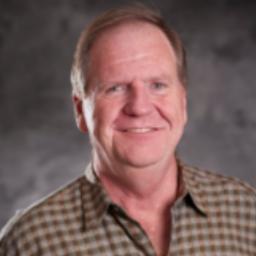
About Francis
Francis McLaughlin is a Licensed Independent Clinical Social Worker (LICSW) practicing in Minnesota with 32 years of experience. He focuses on anxiety, stress, grief, depression, trauma and abuse, and issues that affect self-esteem and motivation. He aims to meet people where they are and tailor conversations to each person's needs.
McLaughlin has spent much of his career supporting people with serious and persistent mental illness and those with co-occurring disorders.
Background and approach
He combines steady listening with practical steps to manage daily challenges. Sessions focus on understanding what is most distressing and finding small changes that bring relief. He works with concerns such as abandonment, attachment struggles, codependency, and difficulties with communication and commitment.
He also helps people wrestling with guilt, shame, impulsivity, dissociation, and isolation. Chronic pain, illness, and disability are included among his areas of attention. The approach is collaborative and respectful.
Francis adapts the pace and topics to each person, with an eye toward building confidence and purpose over time. He encourages realistic goals and concrete skills alongside time to process loss and trauma. If someone decides to begin, the clinician guides the initial steps and helps plan follow-up that fits their life.
He emphasizes sensitivity and compassion while working toward clearer routines, better coping, and more manageable days.
Evidence-based approaches and online care
Francis uses evidence-based therapeutic techniques that emphasize practical skills and clear goals. One common approach focuses on teaching coping skills for stress and anxiety - learning breathing, pacing, and behavioral steps to reduce overwhelming feelings and improve daily functioning. Another approach centers on processing trauma and grief through paced conversations and grounding strategies that help people feel more in control of painful memories and loss.Finding the right approach is part of the work together. The therapist will talk with each person about their goals, needs, and preferences, and then choose or adapt techniques that fit. This is a collaborative process where adjustments are made as progress and challenges become clearer.
Online sessions are offered by video calls, phone sessions, live chat, and text-based messaging to make therapy more flexible. Video calls allow face-to-face conversation and visual cues, phone sessions work well when bandwidth is limited or a camera is not preferred, live chat offers shorter check-ins, and text messaging supports ongoing reflection between scheduled meetings. These options help people fit therapy into busy lives and keep continuity when schedules change.
Questions people ask
What kinds of problems does this clinician address?
What is the therapy style like?
How much experience does he have?
Where is the therapist licensed and located?
Which languages are offered for sessions?
What session formats are available?
How is cost handled for sessions?
How do I begin therapy with this clinician?
What this therapist works with
Most often
Also listed
- Abandonment
- Attachment issues
- Chronic pain, illness, and disability
- Codependency
- Commitment issues
- Communication problems
- Control issues
- Depression
- Dissociation
- Forgiveness
- Guilt and shame
- Impulsivity
- Isolation / loneliness
- Life purpose
- Men's issues
- Mood disorders
- Panic disorder and panic attacks
- Paranoia
- Personality disorders
- Post-traumatic stress
- Process addiction (porn, exercise, gambling)
- Self esteem
- Self-harm
- Sex addiction
- Traumatic brain injury
- Experience
- 32 years
- Licensed
- Minnesota
- Languages
- English
We will earn a commission if you sign up through our link, at no cost to you.