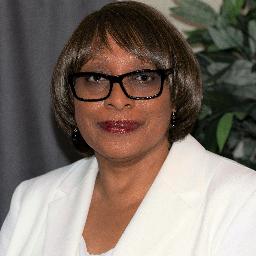
About Faye
Faye Powell is a licensed professional counselor in Georgia who focuses on practical support for stress and anxiety. She uses clear, direct conversation to help people manage anger, grief, and symptoms of depression. Her style is calm and respectful, and she aims to make the first steps into therapy feel manageable for someone who is worried or unsure.
With eight years of experience, she draws on approaches that help clients notice unhelpful thoughts and practice new behaviors.
Background and approach
Sessions are shaped around each person's needs, with straightforward goals and simple skills to try between meetings. This keeps work focused and useful for day-to-day life. She also has experience supporting people facing substance use challenges and issues related to illness, aging, or end-of-life concerns.
That background informs how she talks about coping, grief, and practical decision making during hard times. The aim is to reduce overwhelm and build habits that feel doable. Faye emphasizes respect, sensitivity, and compassion in sessions.
She tailors language and pace so people understand the steps being taken. Her approach is collaborative - clients and she work together to set goals and track progress. Beginning therapy can feel intimidating, and she acknowledges that.
She offers straightforward guidance about what to expect and focuses on small, steady changes that add up over time.
How client-centered and CBT work online
Client-Centered Therapy focuses on listening closely and following the person's lead, with the therapist offering understanding and reflection to help clarify goals and choices. This approach helps people feel heard and safer talking about worries such as anxiety, grief, or isolation.Cognitive Behavioral Therapy (CBT) looks at how thoughts, feelings, and behaviors interact and teaches practical steps to change patterns that increase anxiety or low mood. CBT is often used to break down worries into manageable parts and to practice small behavioral changes between sessions.
Choosing the right approach is a joint effort. The therapist will discuss goals, preferences, and what has or hasn't worked before, then suggest ways to combine listening and skill-building that fit each person's needs. This collaborative process can be adjusted as work progresses.
Online formats - video calls, phone sessions, live chat, and text-based messaging - make it easier to fit therapy into busy lives. Video sessions work well for face-to-face conversation, phone calls can be simpler when bandwidth is limited, and messaging is useful for brief check-ins or tracking daily steps. These options let people practice tools in real settings and move forward without major travel or schedule changes.
Questions people ask
What concerns does she commonly address?
What is her therapy style like?
How much clinical experience does she have?
What credentials and where does she practice?
Which languages are supported?
Can people outside the U.S. work with her?
What session formats are available?
How does cost and scheduling work?
What this therapist works with
Most often
- Stress, Anxiety
- Grief
- Anger management
Also listed
- Aging and geriatric issues
- Cancer
- Depression
- Drug and alcohol addiction
- HIV / AIDS
- Hospice and end-of-life counseling
- Intellectual disability
- Isolation / loneliness
- Self-love
- Social anxiety and phobia
Therapeutic approaches
- Experience
- 8 years
- Licensed
- Georgia
- Languages
- English
We will earn a commission if you sign up through our link, at no cost to you.