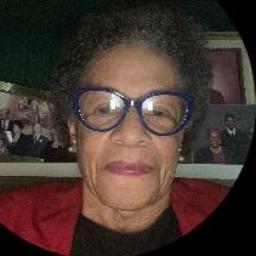
About Dorothy
Dr. Dorothy Jenkins is a licensed master social worker with 40 years of professional experience. She focuses on helping people manage stress and anxiety and supports those facing depression, grief, and addiction.
Her approach is warm and respectful, and she adapts conversations to fit each person's needs. She often works with people navigating relationship strain or family conflict. She also supports those dealing with trauma and abuse, intimacy-related concerns, anger, and self-esteem challenges.
Background and approach
Career changes, parenting pressures, and life transitions are other areas where she offers guidance. In sessions she listens carefully and helps clients find practical steps to feel steadier. She aims to tailor the plan and pace to what feels right for each person.
That might include short-term coping strategies or longer work on patterns that cause distress. Dr. Jenkins communicates in plain language and emphasizes respect and sensitivity.
She encourages honest talk about goals and worries, then helps people try different ways of responding to problems. Her long experience informs how she notices patterns and suggests alternatives. She provides services from Michigan and offers sessions to international clients in English.
Therapy can include video calls, phone sessions, live chat, or text-based messaging depending on what fits the client. To begin, people complete a short matching questionnaire and schedule based on availability.
Evidence-informed approaches for online anxiety and stress care
Dr. Jenkins uses evidence-based therapeutic techniques that focus on what helps people feel better in day-to-day life. One approach emphasizes teaching practical coping skills to manage anxious or overwhelming moments, such as breathing strategies, grounding exercises, and step-by-step plans for stressful situations. These skills are useful for anxiety, stress, and short-term crises.Another common focus is working on patterns that keep problems going. This involves looking at how thoughts, feelings, and actions interact, then trying different responses to reduce distress and improve relationships. This kind of work can help with depression, relationship strain, and repeated anger or avoidance cycles.
Choosing the right approach is a collaborative process. The therapist will talk with each person about their goals, preferences, and what has or hasn’t helped before. Together they decide which techniques to try and adjust the plan as progress is made.
Online therapy offers practical flexibility. Video calls let people use visual cues and a fuller conversation; phone sessions work well when bandwidth is limited or a shorter check-in fits a break at work. Live chat and text-based messaging can support ongoing reflection and quick check-ins between sessions. These options make it easier to fit therapy into a busy life while keeping the focus on usable strategies and steady progress.
Questions people ask
What kinds of concerns can be brought to sessions?
What is her therapy style like?
How long has she worked in this field?
Where is she located and what are her credentials?
Are sessions offered in other languages or to international clients?
What formats are available for online sessions?
How much do sessions cost?
How do I begin working with her?
What this therapist works with
Most often
- Stress, Anxiety
- Relationship issues
- Family conflicts
Also listed
- Addictions
- Anger management
- Career difficulties
- Coaching
- Coping with life changes
- Depression
- Grief
- Intimacy-related issues
- LGBT
- Parenting issues
- Self esteem
- Trauma and abuse
- Experience
- 40 years
- Licensed
- Michigan
- Languages
- English
We will earn a commission if you sign up through our link, at no cost to you.