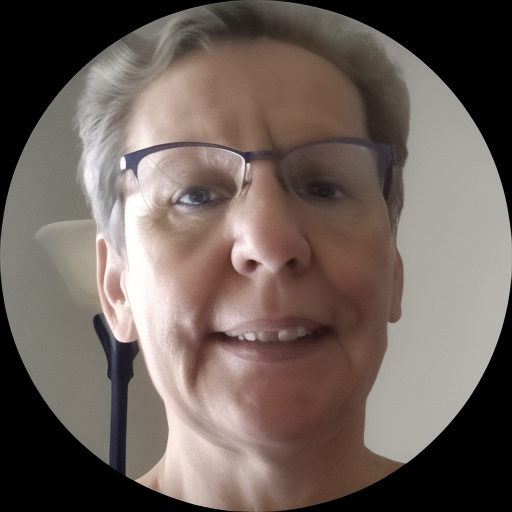
About Doris
Doris Dimaya is an LPC who helps people manage stress, anxiety, grief, and life transitions. She centers sessions on practical steps people can use right away. Conversations focus on what matters most to each person and on realistic strategies for day-to-day life.
Doris aims for a calm, collaborative approach. She talks with clients about goals and then tries short, simple practices that fit into daily routines. Sessions often include talking through problems, trying new coping tools, and checking what works over time.
Background and approach
Her work draws on evidence-based therapeutic techniques to support people facing depression, compassion fatigue, and social anxiety. She also addresses caregiver stress, hospice and end-of-life concerns, and family-of-origin issues when those come up. The focus is on clear, step-by-step help rather than long lists of theory.
Clients can expect a warm, straightforward style. Doris emphasizes resilience and discovering meaning when life feels uncertain or empty. She helps clients notice small changes that add up into real relief.
With four years of professional experience and practice in Missouri, Doris guides conversations so people feel heard and can move toward practical goals. She works in English and provides sessions using video calls, phone, live chat, or text-based messaging. Getting started involves a short matching questionnaire and scheduling a session that fits the client's availability.
Approach and online care for anxiety and transitions
Evidence-based therapeutic techniques include methods that focus on identifying unhelpful thought patterns and teaching practical coping skills. These approaches help people notice stress triggers, experiment with new responses, and reduce overwhelm in everyday situations.Another common technique emphasizes building small, actionable habits to improve mood and resilience. This involves setting manageable goals, tracking progress, and adjusting strategies when something doesn’t fit. These steps aim to create steady change rather than immediate fixes.
Choosing the right approach is a collaborative process. The therapist will work with each person to match techniques to their goals, needs, and personal preferences. Together they try options, review what helps, and refine the plan based on real-world results.
Online therapy offers practical flexibility. Video calls let people use visual cues and a fuller conversation. Phone sessions work well when bandwidth is limited or a shorter check-in is needed. Live chat and text-based messaging make it easier to fit support into busy days or to share thoughts between sessions. These formats make it simpler to keep therapy consistent while fitting it into work, caregiving, and daily life.
Questions people ask
What kinds of concerns does she address?
What is her therapeutic style like?
What is her background and experience?
What credentials and location apply?
Which languages are supported and can she work internationally?
What session formats are available?
How are sessions priced?
How do I begin working with her?
What this therapist works with
Most often
Also listed
- Experience
- 4 years
- Licensed
- Missouri
- Languages
- English
We will earn a commission if you sign up through our link, at no cost to you.