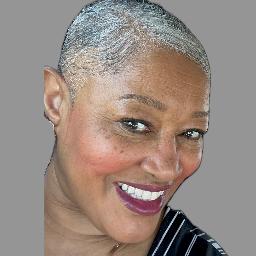
About Donna
Donna Miles Asare is a licensed clinical social worker in California who helps people manage stress and anxiety. She also supports those facing low self-esteem, depression, and struggles with motivation. Her tone is encouraging and direct, aimed at people who feel stuck and unsure how to start.
Donna sees each person as the expert on their own life. She focuses on practical steps you can use between sessions. Conversations are grounded and action-oriented so people leave with small, doable goals.
Background and approach
Her approach draws on strategies from Cognitive Behavioral Therapy, Acceptance and Commitment Therapy, and Dialectical Behavior Therapy. She encourages noticing thoughts and testing them against real-life results. The goal is to reduce unhelpful patterns and build skills that make daily life easier.
Donna has four years of professional experience working with issues such as hospice and end-of-life concerns, infidelity and jealousy, multicultural challenges, and paranoia in addition to mood and anxiety difficulties. She offers straightforward guidance and coping tools shaped by that experience. She works with people who want clear steps, steady encouragement, and practical strategies.
Sessions aim to be a place to sort priorities, learn new skills, and take the next small step forward. If you feel ready to begin, Donna supports the process of finding what fits your life and goals.
How therapy methods fit into online care
Acceptance and Commitment Therapy, or ACT, helps people notice thoughts and feelings without getting pushed around by them; it focuses on identifying values and taking small steps that match what matters. Cognitive Behavioral Therapy, or CBT, looks at the links between thoughts, feelings, and actions and uses simple experiments and skill practice to change unhelpful patterns. Dialectical Behavior Therapy, DBT, teaches concrete skills like emotional regulation and distress tolerance to reduce overwhelm and impulsive reactions.Finding the right approach is a collaborative process. The therapist will work with each person to choose techniques that match their needs, goals, and daily life. Together they try something, see if it helps, and adjust the plan as needed.
Online formats make it easier to fit therapy into busy schedules. Video calls allow face-to-face conversation and visual cues, phone sessions can work when bandwidth is limited, and live chat or text messaging support shorter check-ins or ongoing skill practice between appointments. These options offer flexibility for different routines and preferences while keeping focus on usable tools and steady progress.
Questions people ask
What kinds of concerns does this therapist address?
How does she approach therapy?
What is her professional background?
What are her credentials and where is she located?
Can I work with her if I live outside the United States?
Which session formats are available?
How does billing and cost work?
What steps do I take to begin therapy?
What this therapist works with
Most often
Also listed
Therapeutic approaches
- Experience
- 4 years
- Licensed
- California
- Languages
- English
We will earn a commission if you sign up through our link, at no cost to you.