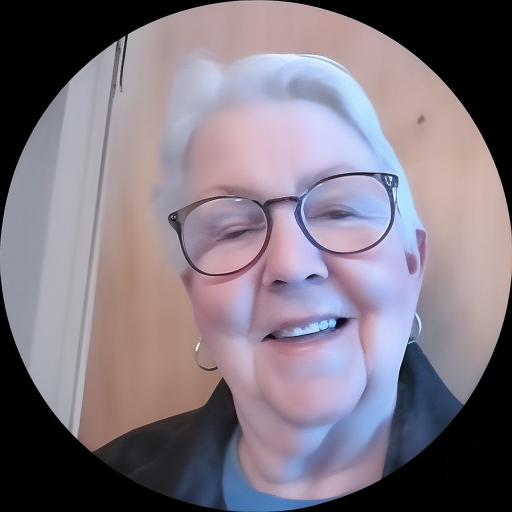
About Diana
Diana Kelly is a licensed clinical social worker with more than five decades of professional experience. She practices in Colorado and focuses on helping people manage stress and anxiety, grief and loss, and depression. Diana approaches each person with respect, sensitivity, and compassion.
She uses a client-centered style that keeps the conversation focused on the person's goals and values. That approach means sessions are guided by what matters most to the individual rather than a fixed agenda.
Background and approach
Diana tailors discussion and planning to suit each person's needs. Over 52 years, she has supported people facing relationship strain, intimacy questions, and the effects of trauma and abuse. She also helps those coping with life changes such as chronic illness, aging concerns, hospice and end-of-life issues, and traumatic brain injury.
Diana works with people dealing with LGBT topics and can assist those living with bipolar disorder and personality disorder challenges. Her background includes long-term clinical practice and a steady focus on practical coping skills and emotional understanding. People who choose Diana can expect direct conversation about what they want to change.
Sessions aim to build strengths, develop better ways to manage symptoms, and create realistic steps toward improved day-to-day functioning.
Client-centered care delivered online
Client-centered therapy focuses on the person's own experience and priorities. The therapist listens closely, reflects what she hears, and helps people clarify their goals. This approach is useful for anxiety, grief, relationship issues, and coping with life changes because it builds on each person’s strengths and values.In practice, Diana adapts the client-centered method to suit individual needs. She works collaboratively to decide what to try next and adjusts the plan as progress is made. That means the client helps set goals and chooses the pace and topics that matter most to them.
Online formats include video calls, phone sessions, live chat, and text-based messaging. Video works well for in-depth conversation and nonverbal cues. Phone sessions can be easier when bandwidth is limited or a shorter check-in is needed. Live chat and messaging are useful for brief updates, ongoing support between sessions, or people who prefer written communication. These options make it easier to fit therapy into busy schedules and different life circumstances while keeping the focus on practical coping and problem-solving.
Questions people ask
What concerns does Diana commonly help with?
What is her therapeutic style like?
How much experience does she have?
Where is she licensed and based?
Which languages are sessions offered in?
What session formats are available?
How are sessions paid for?
How do I begin working with her?
What this therapist works with
Most often
Also listed
- Aging and geriatric issues
- Bipolar disorder
- Chronic pain, illness, and disability
- Coping with life changes
- Depression
- Family conflicts
- Hospice and end-of-life counseling
- Intimacy-related issues
- Personality disorders
- Relationship issues
- Trauma and abuse
- Traumatic brain injury
Therapeutic approaches
- Experience
- 52 years
- Licensed
- Colorado, Nebraska
- Languages
- English
We will earn a commission if you sign up through our link, at no cost to you.