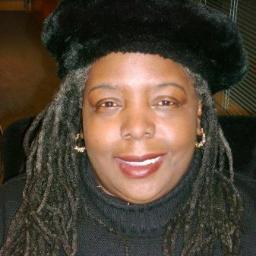
About Deborah
Dr. Deborah Jones helps people facing stress, anxiety, depression, addiction struggles, anger, low self-esteem, and big life changes. She also works with concerns related to relationships, infidelity, trauma and abuse, career issues, and self-harm.
Dr. Jones is a licensed mental health counselor with 21 years of experience and a PhD in Human Service and Counseling studies. Her style is straightforward and person-focused.
She treats each person as the expert on their life and looks for strengths to build on.
Background and approach
Conversations are practical and goal-directed, with clear next steps after each session. Dr. Jones draws on methods that help people change unhelpful thoughts and patterns and that support motivation for change.
Sessions often involve examining thoughts and behaviors, setting manageable goals, and practicing new ways of coping between meetings. She also uses a client-centered approach that emphasizes listening and adapting to what each person needs in the moment. Motivational Interviewing techniques are used when people want help finding the willpower and confidence to take the next step.
People who choose her typically want a mix of empathy and practical tools. She aims to make therapy feel manageable, with clear steps for coping and gradual progress toward goals.
Therapeutic approaches that work well online
Client-Centered Therapy focuses on listening and responding to what each person needs. It helps people feel heard and guides conversations around their goals, which can be useful for anxiety, stress, and relationship concerns.Cognitive Behavioral Therapy, or CBT, looks at how thoughts and actions keep problems going. It involves practical exercises and skill practice that translate well to video or messaging formats and can help with anxiety, depression, and coping strategies.
Motivational Interviewing helps people find their own reasons to change and strengthens commitment to goals. It pairs well with both CBT and a client-centered stance when someone is wrestling with addiction, self-harm urges, or major life changes.
Choosing the right mix of approaches is part of the work. The therapist collaborates with each person to decide which methods fit their needs, goals, and preferences, and adjusts as progress is made.
Online formats make it easier to get consistent care. Video calls allow for face-to-face conversation and shared screen tools for worksheets. Phone sessions can be simpler when bandwidth is limited. Live chat and text messaging offer quick check-ins, short coaching between sessions, and options for people who prefer writing. Together these formats aim to offer flexibility and steady support while working toward clear goals.
Questions people ask
What concerns does she address?
What is her therapeutic style like?
How long has she practiced?
What credentials and location are listed?
Which languages and international options are available?
What session formats does she use?
How are fees and billing handled?
How do I begin working with her?
What this therapist works with
Most often
- Stress, Anxiety
- Addictions
- Anger management
Also listed
- Career difficulties
- Coping with life changes
- Depression
- Infidelity
- Relationship issues
- Self esteem
- Self-harm
- Trauma and abuse
Therapeutic approaches
- Experience
- 21 years
- Licensed
- New York
- Languages
- English
We will earn a commission if you sign up through our link, at no cost to you.