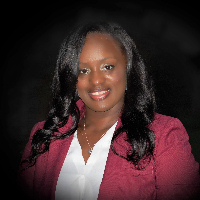
About Deandriea
Dr. Deandriea Bass-Carrigan is a licensed professional counselor (LPC) who focuses on helping people manage worry, stress, and life transitions. She draws on a decade of counseling experience and practical strategies to help clients feel more in control of their thoughts and emotions.
She frames feelings and moods in everyday terms, likening them to levels you can learn to adjust. Sessions emphasize small, concrete steps to ease anxiety, reduce burnout, and lift low mood.
Background and approach
The work is collaborative and paced to what each person needs. Bass-Carrigan combines client-centered conversations with structured techniques from cognitive behavioral approaches. She uses tools to challenge unhelpful thoughts and to build coping skills for stress and relationship strain.
Motivational interviewing helps when people are unsure about change or feel stuck. Her background includes career counseling and extensive experience with anxiety, depression, trauma, and addiction-related concerns. She also supports people facing grief, parenting stress, compassion fatigue, and issues around intimacy and self-esteem.
Sessions are offered in English and she practices from Arkansas. People can expect direct, clear guidance and collaborative planning aimed at steady progress rather than quick fixes. Getting started is a short online process that leads to scheduling a session that fits each person’s life.
Approaches for online anxiety and stress care
Client-centered therapy focuses on listening and responding to each person without judgment. It helps people feel heard and supported while they decide what changes matter most.Cognitive behavioral therapy, or CBT, targets the link between thoughts and actions. It offers practical exercises to spot unhelpful thinking and replace it with more realistic, workable thoughts, which can reduce worry and low mood.
Dialectical behavior therapy, DBT, teaches skills for managing intense emotions and improving stress tolerance. It includes straightforward practices for handling strong feelings and reducing impulsive reactions.
Finding the right approach is part of the work. The therapist will talk with each person about goals, preferences, and what has worked before, then try techniques together to see what fits best. This is a shared process rather than a one-size-fits-all plan.
Online therapy offers flexibility for busy lives. Video calls allow face-to-face conversations when time and bandwidth permit. Phone sessions work well for brief check-ins or when video is difficult. Live chat and text-based messaging can be useful for quick reflections, skill reminders, or check-ins between sessions. These options make it easier to get consistent care without long commutes or scheduling barriers.
Questions people ask
What concerns does this therapist help with?
What is the therapy style like?
How much clinical experience does she have?
What are her credentials and where is she located?
Which languages are supported for sessions?
What session formats are available?
How is cost handled for sessions?
How do I begin working with this therapist?
What this therapist works with
Most often
- Stress, Anxiety
- Relationship issues
- Self esteem
Also listed
- Addictions
- ADHD
- Career difficulties
- Coaching
- Compassion fatigue
- Coping with life changes
- Depression
- Family conflicts
- Grief
- Intimacy-related issues
- Parenting issues
- Trauma and abuse
Therapeutic approaches
- Experience
- 10 years
- Licensed
- Arkansas
- Languages
- English
We will earn a commission if you sign up through our link, at no cost to you.