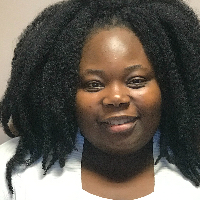
About Dana
Dana Legrande is a Licensed Clinical Social Worker (LCSW) based in New York. She draws on 12 years of practice to help people who feel stuck by offering straightforward, practical support. Her work often focuses on stress and anxiety alongside mood concerns such as depression and bipolar disorder.
Dana uses a mix of approaches that aim to build self-awareness and day-to-day coping skills. She blends client-centered listening with solution-focused planning to set small, achievable goals.
Background and approach
Motivational interviewing helps when people struggle to change habits, including those tied to substance use. In sessions she pays attention to how early relationships shape current patterns. Attachment-based ideas are used to spot repeating dynamics and try new ways of connecting.
For people dealing with relationship strain, Dana uses elements of the Gottman Method to practice clearer communication and repair. Her style is direct and compassionate. She offers psychoeducation, identifies concrete problems, and works on behavior changes that support stability.
Humor and human connection are part of the work when appropriate. Dana also focuses on issues like self-esteem, parenting stress, anger, compassion fatigue, and ADHD-related challenges. She helps people name long-term goals and break them into manageable steps.
The result is a practical plan that fits each person’s life and limits.
Attachment and Goal-Oriented Care Online
Online sessions with Dana draw on attachment-based ideas and solution-focused work to address practical problems. Attachment-based therapy looks at how early relationships shape current behaviors and feelings, helping people notice patterns and try new ways of relating when stress or anxiety shows up. Solution-focused therapy focuses on clear, short-term goals and small changes that add up to real progress for daily life.Finding the right approach is part of the work. Dana will talk with each person about needs, goals, and preferences and then shape sessions together. This collaborative planning helps match methods to what someone wants to change and how they prefer to work.
Online formats include video calls, phone sessions, live chat, and text-based messaging to fit different schedules and needs. Video calls are useful for face-to-face conversation and practicing new communication skills. Phone sessions can be easier when bandwidth is limited or for a quick check-in. Live chat and text messaging work well for shorter updates, tracking progress, or maintaining momentum between longer sessions. These options make it easier to fit therapy into a busy life.
Questions people ask
What concerns does Dana often address?
What is her therapeutic style like?
How much clinical experience does she have?
What credentials and location are listed?
In which language are sessions offered?
Which session formats are available?
How are costs and billing handled?
How do I begin working with her?
What this therapist works with
Most often
- Stress, Anxiety
- Self esteem
- Bipolar disorder
Also listed
- Addictions
- ADHD
- Anger management
- Compassion fatigue
- Coping with life changes
- Depression
- Family conflicts
- Intimacy-related issues
- Parenting issues
- Relationship issues
Therapeutic approaches
- Experience
- 12 years
- Licensed
- New York
- Languages
- English
We will earn a commission if you sign up through our link, at no cost to you.