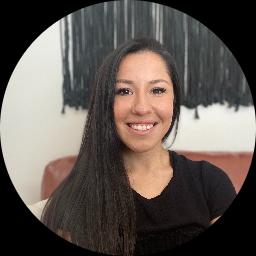
About Clarissa
Clarissa Amorino, LCSW, helps people manage anxiety, stress, and major life changes. She speaks plainly and focuses on what matters most to someone feeling overwhelmed. Her sessions aim to be steady and practical so small steps add up to real change.
She uses a client-centered approach that starts with listening and learning each person's story. That helps shape sessions around real goals like reducing panic attacks or coping with seasonal mood shifts.
Background and approach
She also draws from dialectical behavior therapy to teach skills for managing strong emotions and staying grounded. Clarissa brings five years of clinical experience working with trauma, depression, and addiction-related concerns. Her background includes supporting people dealing with guilt, shame, loneliness, and social anxiety.
She prioritizes building trust so people feel comfortable bringing hard topics into the room. Expect a practical pace: skill practice, breathing and mindfulness techniques, and short-term goals between meetings. Sessions can focus on mood regulation, handling stress at work or home, or coping strategies after upsetting events.
Progress is measured in small changes that add up over time. She offers sessions from Utah and conducts therapy in English. Formats include video calls, phone sessions, live chat, and text-based messaging.
To begin, a short matching questionnaire is used to connect people with a therapist and schedule sessions according to availability.
Therapeutic approaches adapted for online work
Client-centered therapy focuses on understanding a person's experience and building sessions around their goals. In practice this means Clarissa listens first, then helps set small, achievable steps that feel relevant to everyday life.Dialectical Behavior Therapy, or DBT, teaches concrete skills for managing intense emotions and reducing impulsive reactions. Online sessions can include guided skill practice, worksheets, and brief coaching to try new behaviors between meetings.
Finding the right approach is a collaborative process. The therapist will discuss goals and preferences and try methods that fit the person's needs. If an approach needs adjusting, she will work with the client to refine techniques and timelines together.
Online therapy offers flexible ways to meet, including video calls, phone sessions, live chat, and text-based messaging. Video calls are useful for face-to-face conversation and skill demonstrations. Phone sessions can work when bandwidth is limited or a shorter check-in is preferred. Live chat and text messaging make it easier to share quick updates, practice tools in real time, or fit brief check-ins into a busy day.
These options make it simpler to keep therapy consistent while juggling work, school, or family demands, and they let people try different formats to see what works best.
Questions people ask
What kinds of concerns does she help with?
What is her therapeutic style like?
How much clinical experience does she have?
What credentials and location are listed?
Which languages are supported for sessions?
Can international clients work with her?
What session formats are available?
How does cost and scheduling work?
What this therapist works with
Also listed
Therapeutic approaches
- Experience
- 5 years
- Licensed
- Utah
- Languages
- English
We will earn a commission if you sign up through our link, at no cost to you.