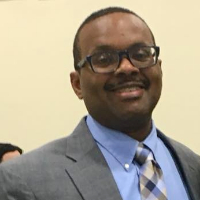
About Christopher
Christopher White is a licensed professional counselor who helps people facing stress, anxiety, addiction, trauma, grief, and depression. He presents a steady, nonjudgmental presence and focuses on practical steps people can use right away. Christopher speaks plainly and aims to make sessions feel straightforward and manageable for someone who is worried or overwhelmed.
He uses familiar, hands-on methods like cognitive-behavioral techniques to identify unhelpful thoughts and DBT skills to manage strong emotions.
Background and approach
Motivational Interviewing is part of his toolkit for people working through addictive behaviors and for those who want to make lasting changes. Sessions are shaped around the person's goals and pace rather than a fixed formula. Christopher's style is warm and interactive.
He treats people with respect and avoids stigmatizing labels. Conversations are collaborative - he listens first, then suggests strategies that fit each person's life and values. Practical homework and simple skill practice are common between sessions.
With 18 years of experience as an LPC, he has worked with a wide range of concerns and situations. He aims to help people build coping skills, reduce anxious thinking, and regain a sense of control after loss or difficult events. He also supports men addressing process addictions such as problematic porn, exercise patterns, or gambling.
Sessions are available through video, phone, live chat, or text-based messaging to make it easier to fit care into a busy schedule. If someone is ready to begin, Christopher asks them to complete a brief matching questionnaire and schedule a time that works for them.
Online approaches that focus on skills and motivation
Christopher commonly uses cognitive-behavioral therapy to help people identify and change thinking patterns that fuel anxiety and depression. CBT focuses on practical exercises, short experiments, and clear steps to shift unhelpful thoughts and behaviors.He also draws on Dialectical Behavior Therapy skills to teach emotion regulation, distress tolerance, and mindful awareness. DBT tools can be useful when emotions feel overwhelming and someone needs concrete techniques to stay steady. Motivational Interviewing is used when someone feels stuck about change; it centers the person's own reasons for change and builds momentum one step at a time.
Choosing the right approach is a shared process. The therapist will talk about goals, try different strategies, and adjust methods based on what works for the person. That collaborative stance helps match techniques to individual needs and preferences.
Online sessions are offered by video calls, phone, live chat, or text-based messaging to make scheduling easier. Video lets people use visual cues for richer conversation, phone calls work when a quieter space is needed or bandwidth is limited, and chat or text can suit brief check-ins or ongoing support. These options create flexibility so therapy can fit around work, family, and other commitments.
Questions people ask
What concerns does Christopher commonly address?
How would you describe the therapy style?
What is his professional background?
Where is he licensed and located?
Which language are sessions offered in?
What session formats are available?
How does cost and billing work?
How do I begin working with him?
What this therapist works with
Therapeutic approaches
- Experience
- 18 years
- Licensed
- Pennsylvania, New Jersey
- Languages
- English
We will earn a commission if you sign up through our link, at no cost to you.