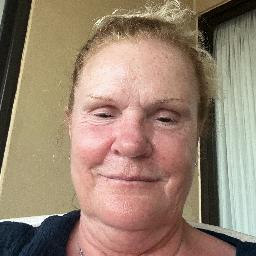
About Catherine
Catherine Glass is a licensed clinical social worker with 30 years of experience helping people facing stress and anxiety. She explains things plainly and aims to make conversations feel calm and manageable. Her style is steady and respectful, focused on helping people feel heard and understood.
She helps with relationship concerns and family conflict by listening carefully and helping people sort out what matters most. Trauma and abuse are also areas she addresses with patience and care.
Background and approach
Depression and struggles with addictive behaviors are part of her longtime practice. Catherine also brings experience in hospice and end-of-life counseling, supporting people through difficult transitions and decisions. Her approach is to create an open space where thoughts and feelings can be shared without judgment.
She encourages small, practical steps that fit into day-to-day life. Sessions typically involve talking through immediate worries, developing ways to manage stress, and planning actions that feel achievable. She works collaboratively to find what helps each person most.
The goal is clearer thinking and fewer overwhelming moments. Catherine is licensed in New Jersey as an LCSW, and she offers services in English. Her experience spans many settings and decades, which she uses to guide conversations toward useful change.
If someone is ready to take a first step, she supports that choice with steady guidance.
How therapeutic methods and online sessions work together
Catherine uses evidence-based therapeutic techniques to address anxiety and stress. One common approach focuses on teaching concrete coping skills for immediate relief, such as breathing techniques, grounding exercises, and step-by-step routines to reduce overwhelm. These skills help when anxiety spikes or stress threatens daily functioning.For trauma and relationship concerns she emphasizes processing events at a pace that feels safe and manageable, helping people make sense of difficult experiences and rebuild trust in themselves and others. For hospice and end-of-life counseling the work centers on meaning, decisions, and emotional support during transitions, with attention to practical and emotional needs.
Choosing the right approach is a collaborative process. The therapist will discuss goals and preferences, try methods that match those goals, and adjust the plan as needed. Clients and therapist work together to find what feels most helpful over time.
Online therapy formats include video calls, phone sessions, live chat, and text-based messaging. Video calls suit deeper conversations and visual cues, phone sessions can be easier when bandwidth is limited, live chat is useful for brief check-ins, and messaging supports ongoing reflection between sessions. These options make it easier to fit therapy into busy lives and to keep progress consistent.
Questions people ask
What concerns does Catherine commonly help with?
What is her therapeutic approach like?
How long has she practiced?
What are her credentials and where is she based?
Which languages are supported for sessions?
What session formats are available with her?
How does payment and cost work?
How do I begin working with her?
What this therapist works with
Most often
- Stress, Anxiety
- Relationship issues
- Family conflicts
- Experience
- 30 years
- Licensed
- New Jersey
- Languages
- English
We will earn a commission if you sign up through our link, at no cost to you.