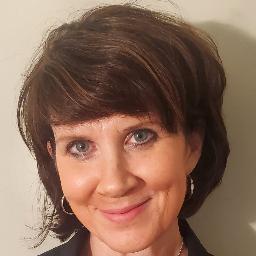
About Catherine
Catherine Allen is a Licensed Professional Counselor (LPC) based in Tennessee who focuses on helping people cope with stress and anxiety. She speaks plainly and meets each person where they are. Her style is warm and direct so conversations feel straightforward and useful.
She uses a client-centered approach that keeps the person's goals in focus. Cognitive Behavioral Therapy (CBT) is part of her work when patterns of thought and behavior are in the way.
Background and approach
She also draws on Solution-Focused Therapy to set clear, short-term goals and build practical steps forward. Before licensure Catherine spent three years working toward her license, then has seven years of total counseling experience. That background includes work on depression, parenting concerns, relationship and family matters, trauma, grief, anger, intimacy-related issues, self-esteem, and ADHD.
She brings experience with a variety of life changes and losses. Sessions are collaborative and goal-oriented. Catherine emphasizes building rapport and tailoring a plan to each person’s needs.
Conversations typically look at what is working now, what needs to change, and small steps that move a person toward their goals. People who contact her can expect straightforward guidance, practical tools, and a calm, respectful presence. She describes herself as influenced by her Christian worldview, while meeting people from many backgrounds where they are.
How Catherine’s Approaches Work Online
Cognitive Behavioral Therapy, or CBT, helps people identify unhelpful thoughts and test new behaviors. It is useful for anxiety, stress, and mood concerns by teaching practical skills to change patterns. Client-Centered Therapy centers the conversation on the person’s priorities. The therapist listens with positive regard and helps the person set the pace and focus. Solution-Focused Therapy zeroes in on small, achievable goals and the steps that lead there to build momentum.Choosing the right approach is part of the work. Catherine will collaborate with each person to find what fits best based on goals, comfort level, and day-to-day needs. Sessions often mix methods so practical tools and personal values guide the plan together.
Online formats include video calls, phone sessions, live chat, and text-based messaging. Video is helpful for deeper conversations and visual cues, phone sessions require less bandwidth, live chat allows quicker check-ins, and messaging supports short updates or ongoing reflection. These options make scheduling easier and help people keep therapy consistent during busy or changing routines.
Questions people ask
What concerns does she help with?
How would you describe her therapy style?
What is her professional background?
What credentials and location are listed?
Which languages are supported for sessions?
What session formats are available?
How are sessions paid for and what does it cost?
How does someone get started working with her?
What this therapist works with
Most often
- Stress, Anxiety
- Family conflicts
- Parenting issues
Also listed
- ADHD
- Anger management
- Coping with life changes
- Depression
- Grief
- Intimacy-related issues
- Relationship issues
- Self esteem
- Trauma and abuse
Therapeutic approaches
- Experience
- 7 years
- Licensed
- Tennessee
- Languages
- English
We will earn a commission if you sign up through our link, at no cost to you.