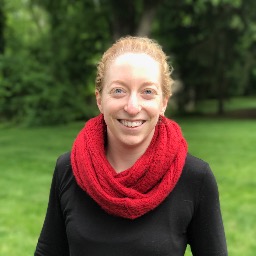
About Carrie
Carrie Robinson is a Licensed Mental Health Counselor who helps people manage stress, anxiety, and mood concerns. She uses down-to-earth language and practical skills to help people feel steadier day to day. Carrie brings nine years of experience to her work in Connecticut and focuses on building tools that fit a client's life.
Carrie earned a master’s degree that combined movement therapy and counseling. She believes that paying attention to the body can support emotional and mental shifts.
Background and approach
In sessions she often blends movement-based awareness with talking, depending on what a person needs. Her clinical approach includes Dialectical Behavior Therapy, mindfulness practices, and solution-focused strategies. These methods are used to teach skills for managing intense feelings, improving focus, and solving immediate problems.
She commonly supports people coping with depression, panic, social anxiety, and seasonal mood shifts. Carrie also addresses relationship concerns, communication problems, and the strain that addiction or grief can place on daily life. She works with issues around self-esteem, self-harm, and feeling isolated or empty.
Young adult issues and questions about life purpose are also within her focus. Sessions are offered in English and she provides video calls, phone sessions, live chat, and text-based messaging. Carrie stresses that finding the right fit is collaborative and will work with each person to shape treatment goals and practical next steps.
Practical approaches for online anxiety care
Dialectical Behavior Therapy teaches concrete skills for managing intense emotions and stopping panic cycles. It focuses on distress tolerance, emotion regulation, and improving interpersonal effectiveness to help with anxiety, panic attacks, and mood swings.Mindfulness Therapy centers on present-moment awareness and gentle attention to thoughts and sensations. It helps reduce reactive habits, ease rumination, and build steadier attention during stressful moments.
Carrie treats choosing an approach as a collaborative step. She will talk with each person about their goals, preferences, and what feels most useful. Together they try a method, check how it’s working, and adjust plans to fit real life needs.
Online therapy with video calls, phone sessions, live chat, or text-based messaging offers scheduling flexibility and different ways to stay connected. Video is useful for deeper sessions and teaching skills, phone calls work when bandwidth is limited, and chat or messaging can help with quick check-ins or brief skill practice between meetings. These options make it easier to fit therapy around work, school, or family commitments.
Questions people ask
What kinds of concerns does she help with?
How would you describe her therapy style?
What is her professional background?
Where is she licensed and based?
Which languages are sessions offered in?
Can international clients work with her?
What formats do sessions come in?
How are costs handled and how do I start?
What this therapist works with
Most often
Also listed
- ADHD
- Commitment issues
- Communication problems
- Drug and alcohol addiction
- Emptiness
- Family conflicts
- Grief
- Isolation / loneliness
- LGBT
- Life purpose
- Mood disorders
- Panic disorder and panic attacks
- Relationship issues
- Seasonal Affective Disorder (SAD)
- Self-harm
- Self-love
- Social anxiety and phobia
- Young adult issues
Therapeutic approaches
- Experience
- 9 years
- Licensed
- Connecticut, Massachusetts, New Hampshire
- Languages
- English
We will earn a commission if you sign up through our link, at no cost to you.