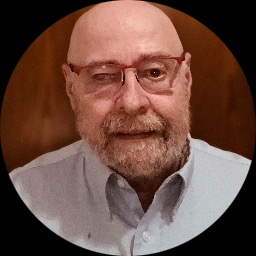
About Calvin
Calvin Myers is an Oregon licensed clinical social worker with 37 years of experience helping people manage stress and anxiety. He works with individuals facing addictions, bipolar disorder, depression, and LGBT concerns. He uses trauma-informed practices and emphasizes respect and sensitivity in sessions.
Calvin keeps conversations straightforward and tailored to each person's needs. He listens first, then crafts a plan with practical steps clients can try between meetings. Sessions focus on skills for coping, reducing worry, and managing mood shifts in daily life.
Background and approach
His background includes many years supporting people with military and veteran-related issues. That experience informs how he approaches stress and trauma. Calvin aims to meet people where they are and adjust pacing to what feels manageable.
Therapy with him blends talk with concrete tools. Clients may work on routines, relapse prevention strategies, and ways to spot early signs of mood changes. He supports people in building habits that reduce anxiety and improve mood.
Calvin makes room for hope while acknowledging how hard change can be. He frames goals in small, achievable steps and checks progress regularly. The focus is on steady improvement rather than quick fixes.
Evidence-based approaches for online care
Calvin uses evidence-based therapeutic techniques delivered in clear, practical terms. One common approach focuses on building coping skills for anxiety and stress - teaching breathing, grounding, and activity planning to reduce worry and improve daily functioning. Another approach addresses mood regulation for bipolar disorder and depression by helping people recognize early warning signs, organize routines, and plan steps to prevent relapse.Finding the right approach is part of the work together. He will collaborate with each person to choose techniques that match their goals, needs, and preferences. That may mean trying one method for a few sessions and adjusting based on what helps most.
Online formats include video calls, phone sessions, live chat, and text-based messaging. Video is useful for in-depth conversations and visual cues, phone can fit a short check-in or lower bandwidth situations, live chat supports brief exchanges during busy days, and text messaging allows ongoing reflection between sessions. These options make therapy more flexible and easier to fit into a workday, caregiving schedule, or other commitments.
Questions people ask
What concerns does this therapist address?
How would you describe his therapy style?
What is his professional background?
What credentials and region are listed?
Which languages are offered and are international clients supported?
What session formats are available?
How is cost handled?
How do I begin working with him?
What this therapist works with
Most often
Also listed
- Bipolar disorder
- Depression
- Veteran and Armed Forces Issues
- Experience
- 37 years
- Licensed
- Oregon
- Languages
- English
We will earn a commission if you sign up through our link, at no cost to you.