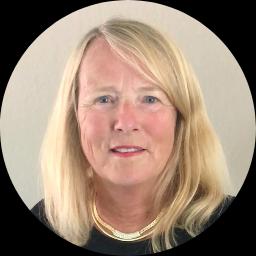
About Bente
Bente Hansen is a Licensed Marriage and Family Therapist (LMFT) in California with 20 years of clinical experience. She focuses on stress, anxiety, relationships, grief, self-esteem, and coping with life changes. She speaks English and Danish and emphasizes a respectful, compassionate approach.
Bente aims to make conversations straightforward and practical. She listens carefully and helps clients name what feels overwhelming. Together they set clear, manageable goals that fit daily life and responsibilities.
Background and approach
Her approach draws on attachment ideas to look at how early relationships shape current patterns. She also uses cognitive behavioral techniques to notice thinking and behavior traps that keep anxiety and low mood going. Emotionally focused work helps people identify and process strong feelings that often underlie conflict and grief.
Sessions are shaped around each person’s needs, not a one-size-fits-all plan. Bente helps people practice new ways of relating, managing stress, and building confidence. She also supports those dealing with illness, caregiving strain, workplace pressure, and family of origin issues.
People can expect a calm, steady presence and practical tools to try between sessions. Bente believes change takes courage and partners with clients to make steps toward greater ease and clearer direction.
How attachment, CBT, and emotion work translate online
Attachment-Based Therapy looks at how early connection patterns affect current relationships and emotional reactions. It helps people notice recurring patterns in how they seek comfort and respond to stress, which can reduce anxiety and relationship tension. Cognitive Behavioral Therapy, or CBT, focuses on identifying unhelpful thoughts and behaviors and testing small changes to reduce anxiety and improve mood. It’s useful for stress, social anxiety, and everyday coping skills. Emotionally-Focused Therapy helps people tune into strong feelings, name what they’re experiencing, and learn new ways to express emotions without escalating conflict.Finding the right approach is a collaborative process. The therapist will discuss these methods with clients and decide together which fits best for the person’s goals and comfort. Plans can shift over time as progress and needs change, with regular check-ins to make sure the work feels useful.
Online therapy offers several practical advantages. Video calls allow face-to-face interaction for deeper emotional work and attachment-focused conversations. Phone sessions can be easier when bandwidth is limited or for shorter check-ins. Live chat and text-based messaging are useful for brief support, homework check-ins, or practicing skills between sessions. These options make it simpler to fit therapy into work, caregiving, or medical schedules and keep consistent momentum toward goals.
Questions people ask
What concerns does this therapist address?
What is the therapeutic style like?
How much experience does the therapist have?
What credentials and where is the therapist located?
Which languages are supported?
In what formats are sessions offered?
How is cost handled?
How do I begin working with this therapist?
What this therapist works with
Most often
- Stress, Anxiety
- Relationship issues
- Grief
Also listed
- Attachment issues
- Caregiver issues and stress
- Chronic pain, illness, and disability
- Communication problems
- Coping with life changes
- Divorce and separation
- Drug and alcohol addiction
- Family of origin issues
- Hospice and end-of-life counseling
- Isolation / loneliness
- Pregnancy and childbirth
- Self esteem
- Social anxiety and phobia
- Workplace issues
Therapeutic approaches
- Experience
- 20 years
- Licensed
- California
- Languages
- English, Danish
We will earn a commission if you sign up through our link, at no cost to you.