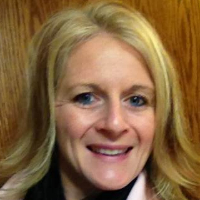
About Autumn
Dr. Autumn Lacy is a Licensed Professional Counselor (LPC) based in Wisconsin. She focuses on anxiety alongside stress, depression, grief, and substance concerns.
She aims to help people gain skills that make daily life feel more manageable. Dr. Lacy centers sessions on clients' goals and practical skill building.
She sees therapy as a collaborative effort and emphasizes honest feedback within a supportive setting. The aim is to create small, workable changes that add up over time.
Background and approach
Her background includes work with people facing intense anxiety, grief, mood challenges like bipolar and depression, and problems related to substance use. She has experience helping people who struggle with self-esteem, anger, intimacy issues, and life transitions. That experience informs how she shapes sessions and sets priorities with each person.
With three years listed experience as an LPC, she focuses on clear steps clients can take between sessions. These steps often include coping tools for stress, strategies to manage worry, and ways to address disruptive behaviors. Goals are set together and adjusted as progress is made.
People who choose her work with a therapist who values direct, practical guidance. Sessions aim to be straightforward and results-oriented while keeping a warm, respectful tone. The work is focused on helping people feel more in control and able to face daily demands.
Approaches that guide online care and practical steps
Dr. Lacy uses evidence-based therapeutic techniques that focus on skill building and goal achievement. One common approach emphasizes learning coping skills for anxiety and stress - people practice specific strategies to reduce worry, manage panic, and handle daily triggers. Another approach focuses on behavioral strategies for mood and addictive patterns - it helps identify unhelpful habits and replace them with healthier routines.Choosing the right approach is a shared process. The therapist will discuss your needs, goals, and preferences and adapt methods as progress unfolds. Together you set short-term aims and adjust techniques if something isn’t working, so therapy stays practical and relevant.
Online sessions can be done by video calls, phone sessions, live chat, or text-based messaging to fit busy lives. Video works well for deeper conversations and nonverbal cues, phone is useful when bandwidth is limited, live chat can suit brief check-ins, and messaging supports ongoing contact between sessions. These formats make it easier to attend sessions from different locations and to match the style of communication that feels most comfortable.
Questions people ask
What concerns does this therapist address?
What is the therapy style like?
What experience does she bring?
Where is the therapist located and what are her credentials?
Which languages are offered for sessions?
Can international clients work with her?
What session formats are available?
How do I begin therapy with her?
What this therapist works with
Most often
Also listed
- Anger management
- Bipolar disorder
- Career difficulties
- Coping with life changes
- Depression
- Family conflicts
- Intimacy-related issues
- LGBT
- Parenting issues
- Relationship issues
- Self esteem
- Trauma and abuse
- Experience
- 3 years
- Licensed
- Wisconsin
- Languages
- English
We will earn a commission if you sign up through our link, at no cost to you.