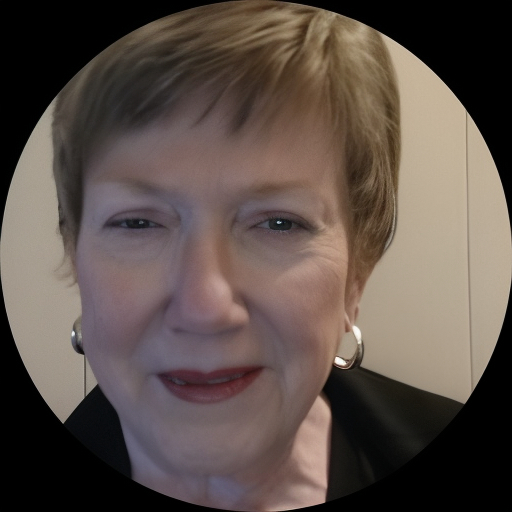
About Anita
Anita Dorey is a Licensed Professional Counselor (LPC) in Arkansas who helps people facing stress, anxiety, depression, anger, and trauma. She commonly supports those dealing with panic attacks, post-traumatic stress, and social anxiety. Anita draws on 17 years of experience in community mental health to guide her work.
Her approach is straightforward and person-focused. She centers conversations on the client's goals and perspectives. Sessions are shaped around what matters most to each person rather than a one-size-fits-all plan.
Background and approach
Anita often uses Cognitive Behavioral Therapy, which looks at the links between thoughts, feelings, and actions. She also uses Motivational Interviewing to help people find their own reasons and motivation to change. Together these methods aim to make day-to-day coping more manageable.
She describes her role as fostering hope and resilience. Anita works with clients to build practical steps and skills they can use between sessions. She adapts her plans to fit each person's needs and circumstances.
Anita follows clear ethical standards and a respectful style in sessions. People who choose her can expect direct conversation, goal setting, and collaborative planning toward better daily functioning.
How Anita’s Approaches Translate to Online Sessions
Client-Centered Therapy focuses on understanding each person's view and priorities. In online sessions this means the therapist listens closely and tailors questions to what the client wants to work on, helping people feel heard and understood. Cognitive Behavioral Therapy, or CBT, breaks problems into thoughts, feelings, and behaviors and uses practical exercises to change unhelpful patterns; it is often used for anxiety, panic, and depression and works well in remote sessions with homework and check-ins.Finding the right approach is part of the work together. Anita will discuss goals, try techniques, and adjust based on what helps most. That collaborative process makes it easier to choose methods that fit the client's needs and daily life.
Online therapy offers flexibility and several ways to connect. Video calls allow face-to-face conversation and visual cues. Phone sessions can be a shorter check-in or a lower-bandwidth option. Live chat and text-based messaging let people send updates and try brief interventions between longer sessions. These formats make it easier to fit therapy into busy schedules and to maintain momentum over time.
Questions people ask
What kinds of problems does she help with?
How would you describe her therapy style?
What is her background and experience?
What are her credentials and where is she based?
Which languages are offered and are international clients accepted?
What session formats are available?
How does billing and cost work?
How do I begin working with her?
What this therapist works with
Most often
- Stress, Anxiety
- Trauma and abuse
- Anger management
Also listed
Therapeutic approaches
- Experience
- 17 years
- Licensed
- Arkansas
- Languages
- English
We will earn a commission if you sign up through our link, at no cost to you.