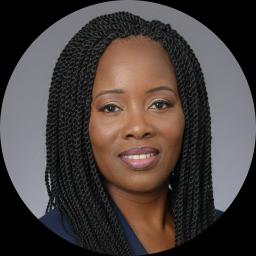
About Angel
Dr. Angel Hakim practices with a client-centered focus that puts each persons experience first. She draws on 37 years of work as a clinician to help people manage stress, anxiety, grief, and life changes.
Sessions emphasize listening, clear goals, and practical steps people can try between meetings. Hakim blends a straightforward, nonjudgmental style with conversations about values and meaning. She offers clinical and spiritual (non-religious) perspectives when helpful, and she encourages clients to use their own strengths to guide change.
Background and approach
This approach is often used for relationship concerns, self-esteem struggles, career questions, and LGBT or multicultural issues. In therapy she uses short-term, goal-oriented ideas alongside mindfulness practices to reduce worry and improve daily coping. People leave sessions with simple strategies they can use right away, not only talk about problems.
She also addresses complex situations such as infidelity, jealousy, and non-monogamous relationship dynamics. Dr. Hakim is licensed in Maryland and brings decades of experience to each conversation.
Her style is direct but compassionate, and she aims to make therapy feel practical and manageable. Sessions are designed to fit real life, with attention to what each person wants to change next. Her work is offered in English and includes several remote formats.
Getting started involves a short matching questionnaire and scheduling a session that fits the client's needs.
How client-centered and solution-focused work fits online
Dr. Hakim uses a client-centered approach that emphasizes listening, understanding, and following each person's lead. This style helps people who want to feel heard and supported while working through anxiety, stress, and relationship questions.She also integrates mindfulness practices to teach simple attention and breathing techniques that reduce worry and improve focus. Those exercises translate well to remote sessions and can be practiced between meetings. Solution-focused techniques are used to set small, achievable goals so progress is visible and practical tools are developed quickly.
Choosing the best approach is a collaborative step. The therapist will talk with clients about goals and preferences, then try methods that fit their needs. Plans are adjusted over time based on what helps most, so the process feels flexible and tailored.
Online formats include video calls, phone sessions, live chat, and text-based messaging. Video is useful for longer conversations and guided exercises. Phone sessions can be easier when bandwidth is limited. Live chat and text messaging work well for brief check-ins, quick coping strategies, or ongoing coaching between sessions. These options make it easier to fit therapy into a busy life and to keep working on change between appointments.
Questions people ask
What kinds of problems does this therapist address?
How would you describe the therapy style used?
What is Dr. Hakim's background and experience?
Where is the therapist located and licensed?
In what languages are sessions offered?
What session formats are available?
How are costs and payment handled?
What are the first steps to begin therapy?
What this therapist works with
Most often
- Stress, Anxiety
- Relationship issues
- Grief
Also listed
- Career difficulties
- Coaching
- Coping with life changes
- Family conflicts
- Infidelity
- Jealousy
- LGBT
- Multicultural concerns
- Polyamory / non-monogamous relationships
- Prejudice and discrimination
- Self esteem
Therapeutic approaches
- Experience
- 37 years
- Licensed
- Maryland, District of Columbia
- Languages
- English
We will earn a commission if you sign up through our link, at no cost to you.