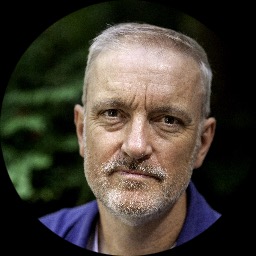
About Andrew
Andrew Buurman is a counsellor based in the United Kingdom who supports people wrestling with stress, anxiety, trauma and abuse, grief, self-esteem and career concerns. He has practical experience helping people affected by addiction and low motivation. Andrew writes plainly and aims to make the first step feel manageable for someone who is worried or unsure.
Andrew creates sessions that let people speak openly about painful thoughts and feelings. He focuses on listening and responding without judgement.
Background and approach
Sessions are steady and down-to-earth rather than rushed or full of technical language. He uses a client-centred approach that puts the person’s experience at the core of the work. That means conversations follow the client’s priorities and pace.
The counsellor helps people make sense of emotions and decide on small, practical steps forward. Across three years of professional practice he has worked with a range of concerns linked to attachment, communication, abandonment and feelings of emptiness. He also supports people dealing with guilt, shame, fatherhood challenges, and midlife questions.
Andrew draws on those experiences to tailor sessions to each person’s situation. People who choose him can expect steady listening, straightforward language and help to map out clear goals. He encourages realistic steps for change and checks progress as therapy continues.
Client-centred care online and practical ways forward
Client-Centred Therapy places the person’s experience at the heart of sessions. The counsellor listens without directing the conversation and helps people name their feelings and priorities. This approach can be useful for anxiety, grief, relationship-related worries and for people wanting a steady, empathetic listener.Andrew uses a straightforward conversational style and will collaborate with each person to find the best approach. He discusses goals, checks in about progress, and adapts the work to the individual’s needs and preferences rather than following a rigid plan.
Online sessions are offered by video calls, phone, live chat or text-based messaging, giving practical options for different situations. Video calls let people see non-verbal cues and suit longer therapy sessions. Phone sessions can work well when bandwidth is limited or when someone prefers not to be on camera. Live chat and messaging allow shorter check-ins and flexible timing for someone balancing work or family demands.
These remote formats make it easier to fit counselling into a busy schedule and to continue work from different locations. Andrew will help decide which format fits the person’s goals, comfort and day-to-day life.
Questions people ask
What concerns does Andrew commonly help with?
What is his therapeutic style like?
How long has he been practising?
What qualifications and location are listed?
In which languages can sessions be held?
What session formats are available?
How are sessions paid for and what do they cost?
How do I begin working with him?
What this therapist works with
Most often
Also listed
- Abandonment
- Attachment issues
- Avoidant personality
- Career difficulties
- Communication problems
- Control issues
- Dependent personality
- Drug and alcohol addiction
- Emptiness
- Fatherhood issues
- Forgiveness
- Guilt and shame
- Isolation / loneliness
- Life purpose
- Men's issues
- Midlife crisis
- Money and financial issues
- Narcissism
- Panic disorder and panic attacks
- Post-traumatic stress
- Self esteem
- Self-love
- Social anxiety and phobia
- Veteran and Armed Forces Issues
- Workplace issues
Therapeutic approaches
- Experience
- 3 years
- Licensed
- Languages
- English
We will earn a commission if you sign up through our link, at no cost to you.