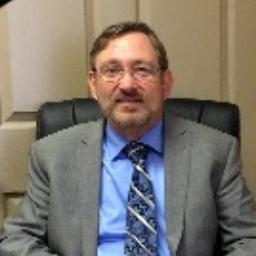
About Warnie
Dr. Warnie Robertson is a licensed clinical social worker who helps people cope with stress and anxiety. He also supports individuals dealing with addictions, relationship strain, grief, and life transitions.
He speaks English and practices in Alabama with 12 years of experience as a clinician. In sessions he focuses on creating a calm, nonjudgmental space where clients can talk about what matters most. He encourages small, realistic steps and honest conversation.
Background and approach
He aims to make the work feel practical and directed rather than vague or overwhelming. Dr. Robertson uses evidence-based therapeutic techniques to guide sessions and tailor strategies to each person.
He works collaboratively to set goals and choose tools that fit daily life, whether that means stress management skills, coping plans for cravings, or strategies for navigating a major loss. People who come to him can expect clear suggestions and straightforward feedback. He balances listening with active problem-solving so sessions move toward usable change.
Progress is tracked in small ways so clients can see what is working. To begin, prospective clients follow the site process to match with a therapist, complete a short questionnaire, and schedule a session. He offers multiple ways to connect, including video calls, phone sessions, live chat, and text messaging, so people can pick what fits their routine.
How therapeutic approaches work online
Several evidence-based techniques are commonly used to address stress and anxiety. Cognitive approaches focus on spotting unhelpful thought patterns and testing them with real-life experiments to reduce worry and avoidant behavior. Behavioral strategies concentrate on changing routines - introducing manageable activities, building sleep and exercise habits, and practicing exposure to feared situations a bit at a time to lower avoidance.For addiction-related concerns, motivational strategies help people clarify what matters and build a stepwise plan for change, while coping-skill work supplies concrete tools for handling cravings and setbacks. These approaches are taught in straightforward language and practiced between sessions so skills become part of daily life.
Finding the right approach is a collaborative process. The therapist will work with each person to identify goals, try techniques, and adjust based on what helps most. That collaborative testing makes it easier to focus on what is useful rather than following a one-size-fits-all plan.
Online therapy offers several practical benefits. Video calls let the therapist and client keep verbal and visual cues, while phone sessions use less bandwidth and can fit into a short break. Live chat and text messaging allow quick check-ins, written reminders of skills, and ongoing support between longer sessions. These options make it easier to fit therapy into a busy life and to practice skills in real time.
Questions people ask
What kinds of problems does he help with?
What is his general approach in therapy?
How much clinical experience does he have?
What are his credentials and where is he based?
Which languages are available for sessions?
Are international clients supported?
Which session formats are offered?
How are fees and scheduling handled?
What this therapist works with
Most often
- Stress, Anxiety
- Addictions
- Relationship issues
Also listed
- Experience
- 12 years
- Licensed
- Alabama
- Languages
- English
We will earn a commission if you sign up through our link, at no cost to you.