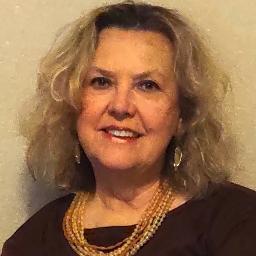
About Ursula
Ursula Antonik-Buxton is a licensed marriage and family therapist in California with 40 years of experience. She helps people who struggle with stress, anxiety, relationship and family issues, trauma and abuse, and low self-esteem. Her approach is calm and respectful, aimed at helping people take manageable steps toward feeling better.
She listens first to understand each person's situation and what matters most to them. Sessions are tailored to the individual's needs rather than following a rigid plan.
Background and approach
Ursula focuses on clear, practical conversations that help people find ways to manage worry, rebuild trust, and increase confidence. Over four decades of practice have given her experience across many kinds of challenges. She draws on approaches that are evidence-based and suited to real-life problems like social anxiety, phobias, guilt, and shame.
Her goal is to help people restore balance and move toward a more satisfying life. Ursula values compassion and sensitivity in every session. She aims to create a space where people can talk honestly and work through difficult feelings.
The therapy process centers on what the person wants to change and how to get there. To begin, she helps clients set clear goals and tries techniques that fit each person's pace. Over time the focus may shift from immediate coping skills to deeper healing and renewed purpose.
Ursula supports clients through both short-term concerns and longer personal growth.
Approaches that guide online therapy
Evidence-based techniques are used to address anxiety and related concerns. Cognitive-style work helps people identify unhelpful thinking patterns and try different ways of responding to worry. This approach focuses on small experiments and practical strategies to reduce anxious thoughts and avoidance. Exposure-based strategies are used for social anxiety and phobias by gradually facing feared situations in manageable steps to build confidence and reduce avoidance.Choosing the right approach is a collaborative process. The therapist will discuss goals, preferences, and what has or hasn’t worked in the past, then try methods that fit the person’s pace. Adjustments are made along the way so the work feels helpful and realistic.
Online sessions are offered by video call, phone, live chat, or text-based messaging to make therapy more flexible. Video calls allow face-to-face interaction, phone sessions can work well when bandwidth is limited, and messaging or live chat suit quick check-ins or people who prefer writing. These options make it easier to fit therapy into busy lives and to keep consistent progress over time.
Questions people ask
What kinds of problems does she help with?
How would you describe her therapeutic style?
How much experience does she have?
What are her official credentials and where is she based?
Which languages are sessions offered in?
What session formats are available?
How does pricing and payment work?
How do I start working with her?
What this therapist works with
Most often
- Stress, Anxiety
- Relationship issues
- Family conflicts
Also listed
- Experience
- 40 years
- Licensed
- California
- Languages
- English
We will earn a commission if you sign up through our link, at no cost to you.