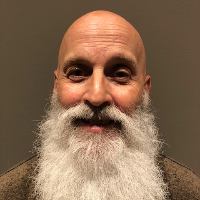
About Timothy
Timothy Klopfenstein is a licensed professional counselor with 25 years of experience helping people manage anxiety, stress, depression, and relationship concerns. He offers a straightforward, calm presence and focuses on practical steps people can use right away. Timothy also helps with parenting strain, self-esteem, grief, and intimacy-related issues.
He draws on a relational style in sessions, building a respectful connection before introducing tools. Cognitive Behavioral Therapy (CBT) is a key part of his approach, so clients often work on identifying unhelpful thoughts and trying small behavior changes.
Background and approach
For those who want faith-based support, he can include spiritual perspectives when requested. Sessions tend to be conversational and goal-focused. Timothy listens for patterns that keep problems repeating, then guides short exercises and experiments clients can try between sessions.
He avoids heavy jargon and explains ideas in everyday terms so people can use them at home. Over his career he has worked in counseling offices and in pastoral counseling settings. That range of settings informs how he talks about relationships and personal values with people.
He adapts pace and tools to match what each person needs. People who contact him usually want clear steps to reduce anxiety, improve communication, or rebuild confidence. He helps set small, manageable goals and checks progress each week to keep work practical and focused.
How CBT and online sessions work together
CBT, or Cognitive Behavioral Therapy, helps people notice thoughts that fuel anxiety and then test different ways of thinking and acting. Sessions often include short exercises and homework that help reduce worry and build confidence in daily life. A relational approach means the therapist pays attention to the connection in the room while teaching skills. That combination helps when addressing relationship concerns, intimacy-related issues, or grief because it mixes practical tools with a focus on how people relate to each other. Finding the right approach is part of the work. The therapist will talk with each person about their goals and preferences, then try methods that fit those needs. If something isn’t helping, adjustments are made together so the plan stays useful and realistic. Online formats offer flexibility for busy schedules. Video calls let people use visual cues and more in-depth conversation. Phone sessions can fit into a midday break or work when bandwidth is limited. Live chat and text messaging are convenient for brief check-ins, asking questions between sessions, or when someone prefers typed exchanges. These options make it easier to keep therapy consistent while fitting it into work, family life, or travel. The therapist uses the chosen format to practice CBT exercises and track progress in ways that match each person’s routine.Questions people ask
What concerns does he help with?
What is his therapy style like?
How much experience does he have?
What are his credentials and where is he based?
Which languages are supported and can international clients connect?
What session formats are available?
How are costs handled?
How do I begin working with him?
What this therapist works with
Most often
- Relationship issues
- Parenting issues
- Self esteem
Therapeutic approaches
- Experience
- 25 years
- Licensed
- Missouri
- Languages
- English
We will earn a commission if you sign up through our link, at no cost to you.