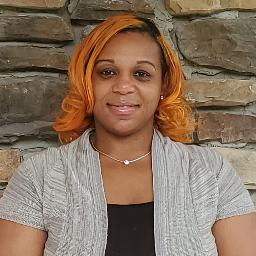
About Tia
Tia Gross is a Maryland-based clinician who helps people manage anxiety, stress, depression, anger, and life transitions. She also supports clients facing relationship strain, grief, addiction concerns, intimacy-related issues, career questions, bipolar mood challenges, compassion fatigue, and ADHD. Tia uses a practical and compassionate approach to make therapy straightforward and useful.
She trained in psychology at Towson University and completed a Master of Science in Applied Psychology - Counseling at the University of Baltimore.
Background and approach
Tia holds MD and LCPC credentials and brings 16 years of clinical experience drawn from correctional, outpatient, and community settings. In sessions she focuses on collaboration and on building a working relationship. She leans on strength-based methods and keeps things flexible to match each person's needs.
Conversations aim to identify practical steps and small shifts that add up over time. Tia often uses cognitive behavioral and solution-focused techniques to help people change unhelpful thoughts and try new behaviors. She combines those tools with a relational style so clients feel heard while learning new skills.
Her goal is to help people move past setbacks and create more meaningful routines and relationships. The work is paced to each person, with an emphasis on clear goals, skill practice, and steady progress.
Evidence-based approaches for online care
Many of the techniques Tia uses focus on practical skill building. Cognitive behavioral approaches look at how thoughts, feelings, and behaviors connect and teach skills to shift unhelpful thinking patterns and reduce anxiety or depression. Solution-focused techniques emphasize clear goals and small steps that can be tried between sessions to create quick, measurable change.She also brings a relational and strength-based approach that centers the client’s skills and experiences. That means sessions include listening, reflection, and collaborative planning so the chosen techniques match a person’s goals and preferences. Deciding what works best is a shared process and may change over time as progress is made.
Online therapy with video calls, phone sessions, live chat, or text messaging offers flexibility for different needs. Video is useful for more in-depth conversation and visual cues, phone can fit a busy schedule or lower bandwidth, live chat suits shorter check-ins, and messaging supports ongoing reflection between sessions. These options make it easier to fit therapy around work, family, and daily life while working with licensed professionals.
Questions people ask
What concerns does she address?
How does she approach therapy?
How much clinical experience is available?
What are her credentials and where is she located?
Which languages are sessions offered in?
Can I work with her from another country?
What session formats are available?
How are costs and scheduling handled?
What this therapist works with
Most often
- Stress, Anxiety
- Anger management
- Self esteem
Also listed
- Addictions
- ADHD
- Bipolar disorder
- Career difficulties
- Coaching
- Compassion fatigue
- Coping with life changes
- Depression
- Family conflicts
- Grief
- Intimacy-related issues
- Relationship issues
- Trauma and abuse
- Experience
- 16 years
- Licensed
- Maryland
- Languages
- English
We will earn a commission if you sign up through our link, at no cost to you.