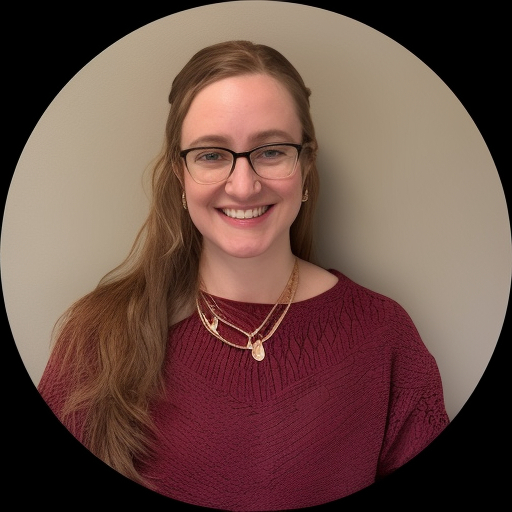
About Sydney
Sydney Gross is a licensed clinician who focuses on stress and anxiety related to family caregiving, aging, and big life changes. She holds an MD and is a Licensed Certified Social Worker - Clinical, LCSW-C. Her tone in sessions is warm and down-to-earth.
Conversations are practical and focused on what feels most urgent for the person in front of her. She has five years of clinical experience working with older adults and the people who support them.
Background and approach
That background includes hospice and end-of-life counseling and helping families manage difficult decisions. She often meets people who feel overwhelmed, anxious, or emotionally worn down by their caregiving roles. Sydney centers sessions on clear, doable steps.
She helps people sort through competing demands, set limits, and plan next actions. Communication skills and problem solving are regular topics in her work. Grief and loss are addressed with calm attention and respect for each person’s pace.
Her style is collaborative - she asks questions and works together on practical strategies. Sessions are a place to talk through immediate worries and test small changes. The goal is to leave feeling a bit more able to handle the day ahead.
She offers video calls, phone sessions, live chat, and text-based messaging to fit different needs and schedules. Sessions use a subscription model that can be canceled at any time, and scheduling happens after a brief matching questionnaire.
Evidence-based approaches and flexible online care
Many clinicians use evidence-based techniques that focus on practical skills and present-day problems. One common approach teaches clear coping strategies for anxiety and stress, such as breathing techniques, activity planning, and breaking problems into manageable steps. These tools help when worry and overwhelm make daily tasks harder to manage.Another often-used method focuses on communication skills and problem solving. It teaches ways to set boundaries, have difficult conversations, and approach decisions with less reactivity. This approach is useful for caregiving stress and family conflict when clearer communication would reduce strain.
Finding the right approach happens together. The therapist will talk with each person about goals, preferences, and what feels most helpful. Then she adjusts methods and pacing so work in sessions fits real life and produces small, practical changes.
Online therapy offers several practical benefits. Video calls allow face-to-face conversation and visual cues. Phone sessions can be easier when bandwidth or camera use is limited. Live chat and text messages support shorter check-ins, quick problem solving, and ongoing reflection between sessions. These options make it easier to fit therapy into a busy caregiving schedule or a changing routine.
Questions people ask
What concerns does she help with?
What is her therapy style like?
How much clinical experience does she have?
What credentials and region describe her practice?
Which languages are offered for sessions?
What session formats are available?
How does cost and billing work?
How do I begin working with her?
What this therapist works with
Most often
- Stress, Anxiety
- Relationship issues
- Family conflicts
Also listed
- Experience
- 5 years
- Licensed
- Maryland
- Languages
- English
We will earn a commission if you sign up through our link, at no cost to you.