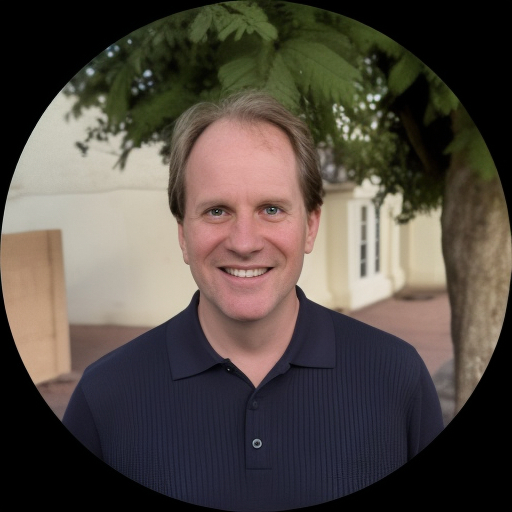
About Steve
Steve Willis is a licensed professional counselor in Arizona with 30 years of clinical experience. He focuses on helping people who feel overwhelmed by stress, anxiety, depression, sleep problems, trauma and career strain. He aims to treat each person with respect and attention.
Steve uses a person-centered way of working. He asks questions and listens carefully to understand each person’s concerns. He helps people notice their thoughts and perceptions and teaches practical coping skills to try between sessions.
Background and approach
Sessions are collaborative. Steve works alongside people to clarify what is getting in the way and to test small changes that can make daily life easier. He pays close attention to sleep habits, isolation and forgiveness when those issues come up.
His background includes many years supporting people through trauma, grief, and serious mood or thought problems. He has experience communicating through interpreters when language support was needed and has worked with people from a range of places. People can expect straightforward conversation, skill-building, and gradual steps toward clearer thinking and better routines.
The focus stays on the person and what helps them move forward.
How his approaches work online
Steve favors person-centered work, which means he focuses on understanding each person's experience and priorities before suggesting next steps. This approach helps when someone needs steady listening and clear feedback as they sort out their concerns.He also uses practical, evidence-based techniques that help people change unhelpful thinking and build coping skills. That often includes looking at thoughts and perceptions, trying new routines for sleep, and practicing small behavioral changes to reduce anxiety and lift mood.
Finding the right approach is a collaborative process. He will talk with each person about their goals and preferences, then try strategies together. Adjustments are made over time so the plan fits what actually helps.
Online formats make this work flexible. Video calls let him see nonverbal cues and run a fuller conversation. Phone sessions can be easier when bandwidth or camera use is an issue. Live chat or text-based messaging can support quick check-ins, shorter skill practice, or ongoing reminders between sessions. These options help people fit therapy into busy days and keep steady momentum.
Questions people ask
What concerns does he help with?
What is his general approach in sessions?
How much clinical experience does he have?
What credentials and location are listed?
Which languages are supported for sessions?
What session formats are available?
How are fees and billing handled?
How do I begin working with him?
What this therapist works with
Most often
- Stress, Anxiety
- Trauma and abuse
- Sleeping disorders
Also listed
- Career difficulties
- Depression
- Forgiveness
- Isolation / loneliness
- Experience
- 30 years
- Licensed
- Arizona
- Languages
- English
We will earn a commission if you sign up through our link, at no cost to you.