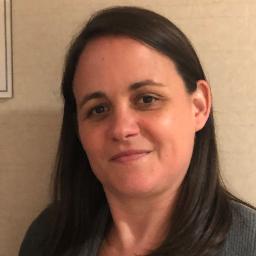
About Stephanie
Stephanie DeMay is a licensed clinical social worker in Virginia with 10 years of professional experience. She helps people who are feeling overwhelmed by stress, anxiety, depression, or the fallout of trauma and abuse. She also supports those facing addictions, difficult life transitions, and struggles with guilt and shame.
Her approach is practical and respectful. Conversations are tailored to each person’s needs and paced to match what feels manageable. She listens without judgment and works with clients to set clear, achievable goals.
Background and approach
In sessions she focuses on real-life strategies that can be used between meetings. That might include ways to manage intense feelings, steps for reducing addictive behaviors, or planning for changes in daily routines. She adjusts the plan as progress is made.
Stephanie emphasizes collaboration. She partners with people to identify priorities and to try options that fit their life. No single method is assumed to work for everyone, so she adapts as needed.
Many people find taking the first step hard. Stephanie acknowledges that courage and helps make the next steps straightforward. Her goal is to help people find clearer breathing room and better ways to manage what feels unmanageable.
How therapeutic methods translate to online care
Stephanie uses evidence-based therapeutic techniques to help people manage symptoms and regain control. One common approach focuses on building practical coping skills to reduce anxiety and manage day-to-day stress; it involves learning specific strategies to identify triggers and respond differently. Another approach emphasizes processing trauma and difficult emotions in small, supported steps so overwhelming memories and feelings feel more manageable over time.Finding the right approach is part of the work. Stephanie treats therapy as a collaborative process and will help figure out which techniques fit a person’s needs, goals, and preferences. She adjusts methods as progress is made and checks in regularly to see what feels helpful.
Online sessions use video calls, phone sessions, live chat, or text-based messaging to offer flexibility. Video lets people use visual cues and have fuller conversation. Phone sessions can work when bandwidth is limited or when being off camera helps someone focus. Live chat and texting are useful for shorter check-ins, quick coping reminders, or when writing helps organize thoughts. These options make it easier to fit sessions into a busy life and to keep continuity of care when schedules change.
Questions people ask
What kinds of concerns does she address?
How would you describe her therapeutic style?
What is her professional background?
What credentials and location are listed?
In which languages are sessions offered?
What session formats does she use?
How do costs and billing work?
How do I begin working with her?
What this therapist works with
- Experience
- 10 years
- Licensed
- Virginia
- Languages
- English
We will earn a commission if you sign up through our link, at no cost to you.