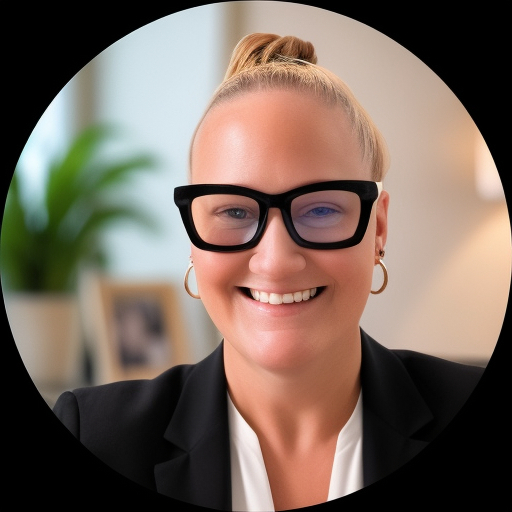
About Starla
Starla Hedrick is a licensed clinical social worker with 17 years of experience helping people navigate anxiety, stress, and major life transitions. She offers steady, practical support for common struggles like depression, low self-esteem, and relationship strain. Her style is straightforward and compassionate, aimed at helping people find useful tools they can try between sessions.
She uses evidence-based therapeutic techniques to teach coping skills for panic attacks, social anxiety, and chronic worry.
Background and approach
Sessions often focus on small, manageable steps to reduce overwhelming feelings and improve day-to-day functioning. Starla also addresses communication problems and control issues that get in the way of healthier relationships. Her work includes helping adults manage chronic illness, pain, caregiving stress, and end-of-life concerns.
She draws on experience with blended family issues and family-of-origin patterns when those themes affect current problems. Starla also supports people facing substance use challenges and impulsivity concerns. Starla meets people with respect and clear guidance.
She aims to build a practical plan together, with tools tailored to each person’s situation. The emphasis is on skill-building and gradual change rather than quick fixes. Sessions are offered in English from California and use a mix of video, phone, live chat, and text messaging.
The process begins with a short matching questionnaire and scheduling based on availability.
How evidence-based techniques translate to online care
Starla works with practical, evidence-based therapeutic techniques that focus on teaching coping skills and changing unhelpful patterns. One common approach she uses teaches grounding and breathing strategies for panic disorder and acute anxiety; these are simple steps you can practice during a panic attack to reduce intensity. Another approach focuses on behavioral tools for social anxiety and avoidance; it breaks tasks into small, manageable exposures so progress happens steadily without overwhelming the person.Finding the right approach is a collaborative process. The therapist and client look at current problems, goals, and preferences together and try methods that fit. If a technique does not help, they adjust the plan and try alternative strategies until something feels useful.
Online therapy offers practical benefits for busy lives. Video calls allow conversations that feel much like in-person sessions. Phone sessions work well when bandwidth is limited or when being off-camera feels easier. Live chat and text messaging are useful for shorter check-ins, homework feedback, or support between longer sessions. These options make it easier to fit therapy into work, caregiving, or medical schedules while keeping continuity of care.
Questions people ask
What concerns does this therapist help with?
What is the therapeutic approach and style?
How much experience does the therapist have?
What credentials and location are listed?
Are sessions offered in other languages or to international clients?
Which session formats are available?
How does cost work for sessions?
How do I begin working with this therapist?
What this therapist works with
Most often
- Stress, Anxiety
- Relationship issues
- Self esteem
Also listed
- Aging and geriatric issues
- Blended family issues
- Cancer
- Caregiver issues and stress
- Chronic pain, illness, and disability
- Communication problems
- Control issues
- Coping with life changes
- Depression
- Drug and alcohol addiction
- Family of origin issues
- Family problems
- Hospice and end-of-life counseling
- Impulsivity
- Intellectual disability
- Panic disorder and panic attacks
- Social anxiety and phobia
- Workplace issues
- Experience
- 17 years
- Licensed
- California
- Languages
- English
We will earn a commission if you sign up through our link, at no cost to you.