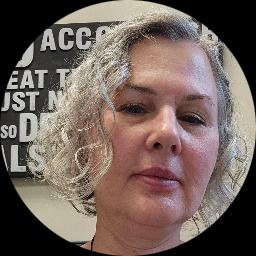
About Sherrie
Sherrie Pace is a licensed clinical social worker who helps people manage stress and anxiety. She supports individuals dealing with addictions, low self-esteem, motivation struggles, and challenges related to bipolar disorder. Her work emphasizes practical steps and steady encouragement to help people move forward.
With 20 years of professional experience, Sherrie focuses on strengths people already have. She treats each person as the expert on their own life and builds on those abilities.
Background and approach
She values simple, clear goals and small actions that lead to change. In sessions she listens closely and offers straightforward, usable strategies. She talks through coping skills, routines, and ways to rebuild confidence.
When addiction or mood swings are involved, she helps people find manageable next steps rather than overwhelming plans. Sherrie pays attention to the ways relationships and communication affect daily life. She works with people on communication problems and on feelings of guilt and shame that often get in the way of progress.
The focus is on what can be changed now and how to keep momentum. To begin, people choose the Start Therapy button, complete a short matching questionnaire, and schedule appointments based on availability. Sessions are offered in English and are provided by a North Carolina LCSW.
Evidence-based techniques adapted for online care
Sherrie uses evidence-based therapeutic techniques that focus on practical skills and steady progress. One approach emphasizes skill-building for anxiety and stress management, teaching breathing, grounding, and activity planning to reduce overwhelming feelings and increase daily functioning. Another approach focuses on motivation and relapse prevention for addictions, helping people identify triggers, set realistic goals, and create step-by-step plans to stay on track.Choosing the right approach is a collaborative process. The therapist works with each person to assess needs, try methods, and adjust as goals change. Sessions include checking what works and adapting techniques so they fit the person’s life and preferences.
Online therapy offers flexible ways to connect. Video calls allow face-to-face interaction for detailed conversations and demonstrations. Phone sessions can fit into a busy day when a video session is not possible. Live chat or text-based messaging work well for brief check-ins, reminders, or when shorter exchanges are helpful. These options make it easier to maintain regular contact and keep momentum between sessions.
Questions people ask
What concerns does this therapist help with?
What is the therapeutic style like?
How much clinical experience does she have?
What credentials and location apply to this therapist?
Which languages are supported for sessions?
Can people outside the U.S. work with this therapist?
What formats are available for sessions?
How are costs and starting therapy handled?
What this therapist works with
Most often
Also listed
- Bipolar disorder
- Communication problems
- Guilt and shame
- Experience
- 20 years
- Licensed
- North Carolina
- Languages
- English
We will earn a commission if you sign up through our link, at no cost to you.