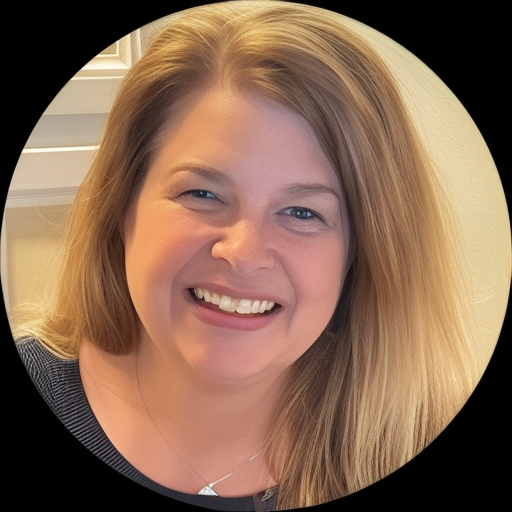
About Shelly
Shelly McNulty is a licensed clinical social worker with 30 years of experience helping people manage anxiety and stress. She offers straightforward support for depression, low self-esteem, and the effects of trauma and abuse. Her style is grounded and encouraging, aimed at helping people take the next steps when life feels overwhelming.
Shelly centers sessions on the person's own strengths and life story. She believes clients know themselves best and works to build on what already helps.
Background and approach
Conversations are practical and focused on real change, not on jargon or complex theory. She also helps people with relationship concerns and communication problems. That includes talking through patterns that create tension, building clearer boundaries, and practicing ways to repair connection when it matters.
Shelly addresses issues like guilt, shame, isolation, and social anxiety in everyday terms. She helps people explore forgiveness, reconnect with purpose, and find ways to increase self-love and confidence. Sessions aim to create manageable steps between appointments.
Her approach is collaborative and respectful. Shelly meets people where they are and works at a pace that fits each person's needs. She encourages small experiments and practical tools that clients can try between sessions.
Evidence-based approaches for anxiety and stress online
Many evidence-based therapeutic techniques focus on changing unhelpful thoughts and building new skills. One common approach helps people notice anxious thoughts, test them against real evidence, and try small behavioral experiments to reduce avoidance. This method is useful for generalized anxiety and social anxiety because it targets the patterns that keep worry in place.Another helpful approach emphasizes grounding and coping skills for stress and trauma. It teaches short practices to manage intense emotions, improve sleep and increase day-to-day functioning. These techniques aim to make distress more manageable so people can take clearer steps toward recovery.
Finding the right approach is a collaborative process. The therapist will talk with each person about symptoms, goals, and preferences, then try methods that fit those needs. Adjustments are made over time based on what helps in real life.
Online therapy offers several practical benefits. Video calls let people keep face-to-face interaction without travel. Phone sessions can be easier when internet bandwidth is limited. Live chat and text-based messaging let people check in between sessions, do short check-ins, or process thoughts in writing. Together these options provide flexibility for busy schedules and different comfort levels.
Questions people ask
What concerns does she commonly help with?
What is her style in sessions?
How much experience does she have?
What credentials and region are listed?
Can sessions be held in languages other than English?
What session formats are available?
How is cost handled?
How do I begin working with her?
What this therapist works with
Most often
- Stress, Anxiety
- Relationship issues
- Trauma and abuse
Also listed
- Experience
- 30 years
- Licensed
- Connecticut
- Languages
- English
We will earn a commission if you sign up through our link, at no cost to you.