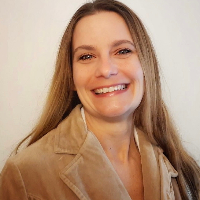
About Shannon
Shannon Pena is a Licensed Clinical Mental Health Counselor with eight years of experience. She helps people who are feeling overwhelmed by stress, anxiety, career shifts, parenting challenges, or changes in life. She works with young adults and people navigating ADHD, autism spectrum concerns, and workplace stress.
Shannon uses a person-centered style that keeps the client's perspective central. She listens for each person's goals and tailors sessions to what matters most.
Background and approach
Most sessions focus on practical steps, short-term goals, and clearer routines that reduce daily strain. Her background includes work with people who have developmental differences and intellectual disability, and with those managing vocational or employment issues. She has worked across mild mental health and behavioral concerns and has experience supporting young adults through transitions.
Shannon often sets collaborative goals with clients and tracks progress over time. She may suggest occasional homework or small experiments between sessions to build new habits. Her approach is flexible - she adjusts methods to match a person's needs rather than using a fixed plan.
Sessions are offered in English and delivered through video calls, phone, live chat, or text-based messaging. She practices in North Carolina as an LCMHC and draws on eight years of clinical work to guide conversations and planning. People meet with her to talk through practical problems, build coping skills, and make steady changes.
Shannon emphasizes clear steps and real-world strategies that fit a client's life.
How her approach translates to online therapy
Shannon uses a client-centered approach that emphasizes listening and working from the client's priorities. This method focuses on what matters most to the person and helps set clear, achievable goals for stress, anxiety, career shifts, and parenting concerns.Because she tailors methods to each person, sessions may also include practical coaching elements to build routines, manage ADHD-related challenges, or handle workplace issues. Those techniques involve breaking problems into small steps and practicing changes between sessions so progress can be tracked.
Finding the right approach is part of the work together. She will collaborate with clients to decide which methods fit a person's goals and preferences, adjusting the plan as needed. The focus is on trying options, checking what helps, and changing course when something doesn't fit.
Online formats make this flexible. Video calls allow face-to-face conversation for in-depth work. Phone sessions can be easier when someone needs less bandwidth or a shorter check-in. Live chat and text messaging let clients share updates, ask quick questions, and keep momentum between appointments. These options help people fit therapy into busy schedules and maintain steady progress.
Questions people ask
What kinds of concerns does she help with?
How would you describe her therapeutic style?
What is her clinical background?
Where is she licensed and practicing?
Can sessions be conducted in other languages or internationally?
What session formats are available?
How are fees and payments handled?
How do I begin working with her?
What this therapist works with
Most often
- Stress, Anxiety
- Career difficulties
- Coping with life changes
Also listed
- ADHD
- Anger management
- Autism and Asperger Syndrome
- Coaching
- Compassion fatigue
- Family conflicts
- Family problems
- Intellectual disability
- Parenting issues
- Relationship issues
- Self esteem
- Women's issues
- Workplace issues
- Young adult issues
Therapeutic approaches
- Experience
- 8 years
- Licensed
- North Carolina
- Languages
- English
We will earn a commission if you sign up through our link, at no cost to you.