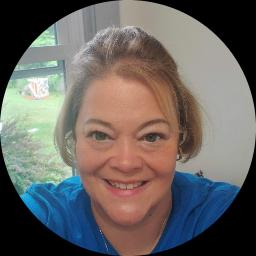
About Sara
Dr. Sara Brammer helps people who are dealing with anxiety, stress, trauma, depression, and life changes. She also supports concerns such as relationship strain, self-esteem, parenting pressures, career challenges, compassion fatigue, and eating or intimacy-related issues.
She introduces a calm, respectful presence from the first conversation. She uses plain talk and practical steps rather than jargon. Sessions focus on clear goals, small changes that add up, and skills people can use between meetings.
Background and approach
She adapts the plan to what each person needs and how they prefer to work. Dr. Brammer holds the credential MO Psychologist, which indicates licensure in Missouri.
She has about 25 years of experience in professional practice. That background informs how she supports people through complicated experiences like trauma or long-term stress. Her style is collaborative and direct.
She balances listening with offering tools for coping, emotion regulation, and making decisions. People leave sessions with concrete next steps and ways to track progress. She encourages anyone who is feeling overwhelmed or stuck to reach out.
Starting begins with a short matching questionnaire and scheduling a session. Many people find that an initial conversation makes the path forward clearer.
Evidence-based approaches and flexible online care
Dr. Brammer uses evidence-based therapeutic techniques that focus on practical skills and recovery. One common approach helps people learn concrete coping tools for anxiety and stress, such as breathing, pacing, and problem-solving strategies that reduce overwhelm and improve daily functioning. Another common focus is trauma-informed work that helps people process difficult events at a manageable pace while building safety and emotional regulation skills.Choosing the right approach is a collaborative process. The therapist will work with each person to identify goals, try techniques that match those goals, and adjust the plan over time based on what helps most. Clients are invited to provide feedback so sessions stay useful and relevant to their needs.
Online formats include video calls, phone sessions, live chat, and text-based messaging, which offer flexibility for different schedules and preferences. Video calls support face-to-face conversation and visual cues. Phone sessions can fit into a short break or when bandwidth is limited. Live chat and text messaging let people check in without a full session and keep progress moving between meetings. Together these options make it easier to get consistent support while juggling work, family, and other responsibilities.
Questions people ask
What kinds of concerns does she help with?
How would you describe her therapeutic style?
How much experience does she have?
What are her credentials and where does she practice?
Which languages are available for sessions?
Can people outside the United States work with her?
What formats are used for sessions?
How are fees and getting started handled?
What this therapist works with
Most often
- Trauma and abuse
- Self esteem
- Coaching
Also listed
- Anger management
- Bipolar disorder
- Career difficulties
- Compassion fatigue
- Coping with life changes
- Depression
- Eating disorders
- Family conflicts
- Intimacy-related issues
- LGBT
- Parenting issues
- Relationship issues
- Stress, Anxiety
- Experience
- 25 years
- Licensed
- Missouri
- Languages
- English
We will earn a commission if you sign up through our link, at no cost to you.