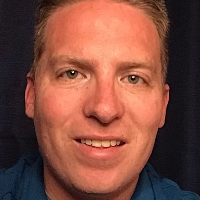
About Richard
Richard Yates is a Licensed Professional Counselor (LPC) who helps people when life feels overwhelming. He listens first and works with each person to find practical steps they can use right away. He aims to be present during hard stretches and to help clients build skills that make day-to-day life easier.
His approach focuses on clear, goal-oriented work. He uses strategies from Dialectical Behavior Therapy and Cognitive Behavioral Therapy to address strong emotions, unhelpful thoughts, and impulsive reactions.
Background and approach
These methods give concrete tools for handling anxiety, stress, anger, and mood shifts. Richard has four years of clinical experience working with people facing difficult situations. That background informs how he structures sessions and suggests tools that fit real life.
He often teaches breathing, grounding, and thinking exercises that can be used between meetings. He pays attention to issues such as trauma and abuse, grief, ADHD, bipolar mood changes, and depression. He also focuses on impulsivity, men’s concerns, and struggles common for young adults.
Sessions aim to be straightforward and practical so people leave with next steps. Richard works from Texas and conducts sessions in English. He offers a mix of session styles to match different needs and schedules.
He encourages a collaborative process where goals are set together and adjusted as progress is made.
Using CBT and DBT Tools Online
Richard often uses Cognitive Behavioral Therapy (CBT) and Dialectical Behavior Therapy (DBT) in online sessions. CBT looks at how thoughts affect feelings and actions and teaches steps to test and change unhelpful thinking. It can help with anxiety, depression, and stress by breaking problems into manageable parts.DBT focuses on managing intense emotions and reducing impulsive responses. It teaches skills like distress tolerance, emotion regulation, and interpersonal effectiveness that are useful for anger, trauma reactions, and mood instability.
Finding the right approach is a collaborative process. The therapist will discuss goals and try techniques together with the client to see what fits best. Plans and skills are adjusted over time based on what works and what the person prefers.
Online therapy is offered via video calls, phone sessions, live chat, or text-based messaging to provide flexibility. Video sessions allow face-to-face interaction and demonstrations of skills, phone sessions can fit a quick check-in or lower bandwidth need, and messaging or live chat supports short updates or skill practice between meetings. These options make it easier to keep therapy consistent around work, school, or other commitments.
Questions people ask
What concerns does this therapist commonly address?
What is the therapeutic style and approach used?
How much clinical experience does the therapist have?
What are the therapist's credentials and location?
Which languages are supported for sessions?
Can international clients work with this therapist?
What session formats are available?
How are costs and getting started handled?
What this therapist works with
Most often
- Trauma and abuse
- Anger management
- ADHD
Also listed
Therapeutic approaches
- Experience
- 4 years
- Licensed
- Texas
- Languages
- English
We will earn a commission if you sign up through our link, at no cost to you.