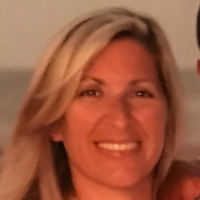
About Rachel
Rachel Babiskin, MD, LCSW-C, uses a client-centered, motivational approach to help people manage stress and anxiety. She focuses on building strong working relationships so each person feels heard and respected. Her style is collaborative and practical, with guidance and occasional gentle challenges when needed.
Rachel meets people where they are in life and emphasizes strengths already present. She draws on trauma-informed practices to help people learn skills that reduce symptoms and improve daily functioning.
Background and approach
Sessions aim to be straightforward and useful for handling tough moments and big changes. Her background includes a Bachelor’s degree in Family Studies from the University of Maryland and a Master’s degree in Social Work from the University of Maryland. As a Licensed Clinical Social Worker-Certified, she has 25 years of experience across schools, hospitals, and independent practice settings.
That work included helping young adults with mental illness and co-occurring conditions. Rachel has helped people with a wide range of concerns, including depression, anxiety, ADHD, relationship problems, trauma and abuse, grief, addictions, and coping with life changes. She also supports work on self-esteem, anger, eating concerns, bipolar disorder, and parenting stresses.
Her approach emphasizes practical skills and steady progress. Therapy with Rachel is intended to feel collaborative and motivating. She focuses on small, manageable steps and developing tools that people can use between sessions to feel more in control and move toward their goals.
How common therapy methods translate to online care
Rachel uses evidence-based therapeutic techniques delivered in a down-to-earth way. One common approach she applies focuses on building practical skills to manage anxiety and stress, such as breathing strategies, activity planning, and breaking problems into smaller steps. These tools aim to reduce overwhelming moments and improve daily coping.She also uses a trauma-informed mindset, which means recognizing how past difficult experiences affect current behavior and emotions, and working gently to develop new responses and safety in relationships. That approach suits people dealing with trauma, abuse, or strong emotional reactions. A third emphasis is on motivational, client-centered work that helps people clarify values and take realistic steps toward change rather than relying on blame or pressure.
Deciding which approach fits best is part of the work. The therapist will collaborate with each person to choose methods that suit their needs, goals, and comfort level. This is a joint process that can be adjusted over time as progress is made.
Online sessions are offered by video calls, phone sessions, live chat, or text-based messaging to provide flexibility. Video calls allow for face-to-face interaction, phone sessions can use less bandwidth, and chat or text options can be useful for brief check-ins or when typing feels easier. These formats make it simpler to fit therapy into a busy life and to keep continuity when schedules change.
Questions people ask
What kinds of concerns does Rachel help with?
What is her therapy style like?
How much experience does she have?
What credentials and region are listed for Rachel?
Which languages are supported in sessions?
What session formats are available?
How does cost and billing work?
How do I begin working with Rachel?
What this therapist works with
Most often
- Stress, Anxiety
- Family conflicts
- Parenting issues
Also listed
- Addictions
- ADHD
- Anger management
- Bipolar disorder
- Coaching
- Coping with life changes
- Depression
- Eating disorders
- Grief
- Relationship issues
- Self esteem
- Trauma and abuse
- Experience
- 25 years
- Licensed
- Maryland
- Languages
- English
We will earn a commission if you sign up through our link, at no cost to you.