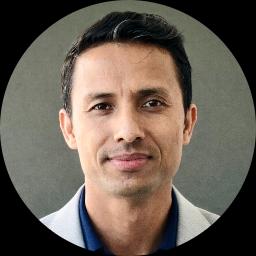
About Prakash
Prakash K C is a PACFA clinical counsellor practising in Australia. He focuses on uncovering repeating patterns in how people react and relate. He aims to help those who notice the same endings in different situations and want a different result.
He listens for what is below the surface rather than simply the events. He pays attention to how someone responds in the moment and reflects that back. This direct, observational style is used to make patterns clear as they happen in session.
Background and approach
Many people who come to him have already thought deeply about their experiences. They can often trace patterns but feel stuck between understanding and actual change. Prakash works in that gap to convert insight into movement toward new choices.
Sessions are straightforward and focused. Prakash will name observations, point out interactional habits, and invite small experiments to try different responses. The pace is practical while still holding difficult feelings that arise.
He commonly helps with stress and anxiety, relationship and family concerns, trauma and abuse, and issues with self-esteem. He also addresses attachment and communication difficulties, feelings of emptiness, immigration and multicultural concerns, and workplace strain. Prakash draws on evidence-based therapeutic techniques to guide conversations and exercises.
He aims to help people build clearer understanding and steadier choices in everyday life.
Approach and online therapy options that fit your life
Prakash uses evidence-based therapeutic techniques that focus on patterns and lived experience. One common strand is helping people notice how reactions repeat in relationships and daily life, then testing small behavioural experiments to change those habits. Another approach emphasises real-time reflection in sessions - pointing out how someone is responding in the moment so the pattern becomes visible and can be adjusted.Finding the right approach is a collaborative process. He will work with each person to decide which techniques best match their goals and preferences. Together they set aims, try small changes, and review what helps most as therapy progresses.
Online sessions are offered by video calls, phone, live chat, or text-based messaging to make counselling more flexible. Video calls allow face-to-face conversation and visual cues. Phone sessions need less bandwidth and can fit into a break at work. Live chat and text are helpful for shorter check-ins, ongoing reflection, or when typing feels easier than speaking. These options help people access therapy around work, family and daily life commitments.
Questions people ask
What kinds of concerns does this counsellor address?
How would you describe his therapeutic style?
How much experience does he have?
What credential does he hold and where is he based?
Can I see him if I live outside Australia?
What session formats are available?
How much do sessions cost?
How do I begin working with him?
What this therapist works with
Most often
- Stress, Anxiety
- Relationship issues
- Family conflicts
Also listed
- Experience
- 6 years
- Licensed
- Languages
- English
We will earn a commission if you sign up through our link, at no cost to you.