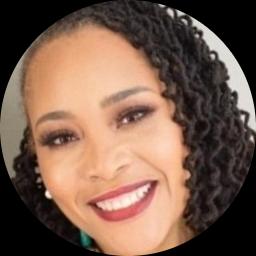
About Paula
Paula Langford is a clinician with three decades of experience. She holds an MD and is a Licensed Certified Social Worker-Clinical, LCSW-C. Paula offers teletherapy and a mix of traditional and holistic approaches aimed at easing anxiety and stress.
She meets adults 18 and older and focuses on common concerns like anxiety, stress, depression, grief, trauma and self-esteem. She also works with issues related to chronic pain and illness, divorce and life purpose, and workplace strain.
Background and approach
There is specific attention to veteran and armed forces issues and post-traumatic stress. Paula blends talking therapy with non-traditional options that some people find helpful for calming the nervous system and reducing symptoms. She can also offer coaching-style sessions for people who want clearer goals and forward momentum.
Sessions are offered by video, phone, live chat, or text-based messaging to fit busy lives. Clients often come to Paula after trying other approaches and wanting a different path. She aims to tailor each session to what a person needs in the moment, whether that is processing emotions, building coping skills, or setting practical steps.
Her practice operates from Maryland and she works with English-speaking clients. International clients are also accepted. To begin, a short matching questionnaire and scheduling step connect a prospective client to the right format and time.
Evidence-based techniques and online care that fit your life
Paula describes her practice as a blend of evidence-based therapeutic techniques and complementary approaches that support symptom relief and emotional processing. One common element is psychotherapy - structured talking sessions that help identify unhelpful patterns, build coping skills, and process difficult feelings. This approach is useful for anxiety, depression, grief, and workplace stress. Another component is coaching-style work which focuses on clarifying goals, creating step-by-step plans, and tracking progress for people who want forward movement in life or recovery.Choosing the right approach is a collaborative process. The therapist will work with each person to figure out what methods fit best for their needs, goals, and preferences. That may mean starting with talking therapy, trying a short coaching session, or integrating different methods over time to find what helps most.
Online sessions include video calls, phone sessions, live chat, and text-based messaging to make therapy practical for everyday life. Video is useful for in-depth sessions and visual connection. Phone calls can be simpler when bandwidth is low or a shorter check-in is needed. Live chat and text messaging let people send updates, ask quick questions, or have brief check-ins without scheduling a full call. These options aim to make it easier to get consistent support around work, caregiving, or travel schedules.
Questions people ask
What concerns does she address?
What is her therapeutic style like?
How long has she worked in this field?
Where is her practice based and what are her credentials?
Which languages are supported for sessions?
What session formats are available?
How are fees and payment handled?
How do I begin working with her?
What this therapist works with
Most often
Also listed
- Experience
- 30 years
- Licensed
- Maryland
- Languages
- English
We will earn a commission if you sign up through our link, at no cost to you.