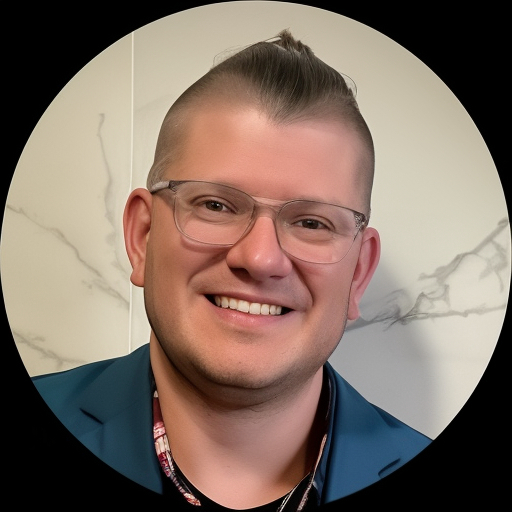
About Noah
Noah Nelson is a Licensed Clinical Social Worker (LCSW) practicing in Illinois with ten years of experience. He focuses on common but weighty concerns like anxiety, stress, depression, grief, trauma and low self-esteem. He keeps language direct and down-to-earth so people can quickly understand what to expect in a session.
Noah centers sessions on practical steps and clear goals. He listens without judgment and helps people name what feels hard.
Background and approach
He aims to create a space where clients feel heard and respected while they work through painful memories, worry, or loss. In sessions Noah uses evidence-based therapeutic techniques to address thinking patterns, coping skills, and values-based change. He draws on methods that help reduce avoidance, manage intrusive memories, and build steady routines for day-to-day life.
He discusses tools and practices that clients can try between meetings. Noah often focuses on issues like guilt and shame, impulsivity, isolation, social anxiety and phobia, and men’s issues alongside the core concerns above. He frames therapy as a collaborative process where the person’s priorities guide the work.
Sessions move at a pace set by the client. Noah explains steps clearly, helps clients set small measurable goals, and reviews progress regularly. His approach emphasizes self-compassion and practical problem-solving.
People leave sessions with concrete strategies to try between meetings and a clearer sense of next steps.
How therapeutic approaches fit into online care
Noah uses evidence-based approaches that focus on thoughts, behavior, and values. Cognitive-based techniques work on identifying unhelpful thinking patterns and testing them with real-life experiments to reduce anxiety and depressive thinking. Acceptance-oriented methods help people notice difficult thoughts and feelings without getting stuck in them, which can be useful for trauma-related symptoms and persistent worry.Finding the right approach is a collaborative process. Noah will talk with each person about their goals, preferences, and what has or hasn’t helped in the past. Together they decide which methods to try and adjust the plan as progress is made.
Online formats include video calls, phone sessions, live chat, and text-based messaging to fit varied routines. Video lets people practice skills with visual feedback. Phone sessions are useful when bandwidth is limited or a shorter check-in is needed. Live chat and messaging support quick touchpoints and ongoing skill practice between meetings. These options make it easier to fit therapy into work, school, or caregiving schedules while keeping focus on steady progress.
Questions people ask
What kinds of concerns does he address?
How would you describe his therapy style?
What is his background and experience?
What credentials and location apply to his practice?
Which languages are offered and can international clients join?
What session formats are available?
How does payment and cost work?
How do I begin working with him?
What this therapist works with
Most often
Also listed
- Experience
- 10 years
- Licensed
- Illinois
- Languages
- English
We will earn a commission if you sign up through our link, at no cost to you.