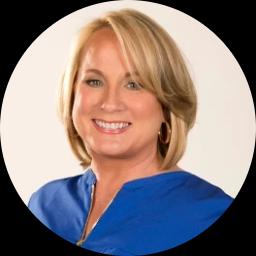
About Mary
Mary Bradshaw is a licensed mental health counselor (LMHC) with twenty years of experience. She focuses on helping people manage stress and anxiety and supports those coping with addictions, trauma and abuse, bipolar disorder, and depression. Mary aims to make it easier to take the first step toward feeling better.
Mary keeps sessions straightforward and practical. She creates an open, nonjudgmental space for people to talk about thoughts and feelings.
Background and approach
Sessions often focus on understanding what is contributing to stress and picking usable steps to reduce it. Her approach centers on collaboration. Mary works together with each person to set goals and try methods that fit their life and needs.
She checks in on what helps and adjusts the approach as needed. Over two decades in the field has given Mary experience with a wide range of concerns related to mood, substance use, and reactions after trauma. She brings that experience to everyday problems, not just diagnosable conditions.
Mary offers direct, compassionate support for people who feel stuck or overwhelmed. She encourages practical change and steady progress through regular conversations and follow-up.
Evidence-based approaches and flexible online care
Mary uses evidence-based therapeutic techniques that focus on practical change. One common approach helps people identify patterns of thinking and behavior that make anxiety and low mood worse, then practices new ways of responding. This kind of work is useful for daily stress, panic, and persistent worry. Another approach emphasizes coping skills and safety planning for people affected by trauma or ongoing triggers, teaching breathing, grounding, and step-by-step strategies to manage intense reactions.Finding the right approach is a collaborative process. The therapist will talk with each person about their goals, try methods that fit their situation, and adjust the plan over time if something isn’t working. The aim is to match techniques to what the person needs and can use in day-to-day life.
Online sessions are offered by video call, phone, live chat, or text-based messaging to provide flexibility. Video calls allow face-to-face conversation, phone sessions need less bandwidth, live chat can be used for shorter check-ins, and messaging supports ongoing contact between scheduled talks. These options make it easier to fit therapy around work, caregiving, or other responsibilities while keeping focus on steady progress.
Questions people ask
What kinds of concerns does this clinician address?
What is the therapist's general approach in sessions?
How much experience does the therapist have?
Where is the therapist licensed and based?
In which languages are sessions offered?
Are international clients accepted?
What session formats are available?
How are costs and scheduling handled?
What this therapist works with
Also listed
- Bipolar disorder
- Depression
- Experience
- 20 years
- Licensed
- Florida
- Languages
- English
We will earn a commission if you sign up through our link, at no cost to you.