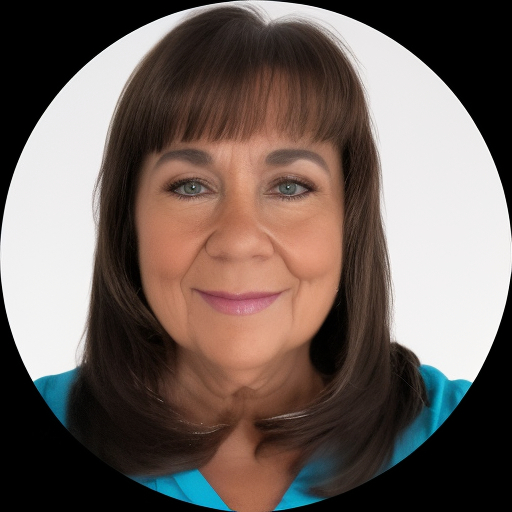
About Manette
Manette Camarata is a licensed clinical social worker with twenty years of experience helping people manage stress and anxiety. She focuses on practical tools that challenge unhelpful beliefs and strengthen daily coping skills. Her style is flexible, approachable, and aimed at getting results readers can use right away.
She has worked in many settings including mental health clinics, rehab centers, hospitals, nonprofit agencies, schools, and senior centers. Those experiences shaped a hands-on approach that draws on real-world strategies learned across practice environments.
Background and approach
Sessions emphasize clear goals and steps that fit a person’s life. At the first meeting she listens to current struggles and what matters most to the client. Together they set realistic goals and build a plan with small, doable actions.
The focus stays on what helps in everyday life rather than abstract theory. Common concerns she supports include stress, anxiety, addictions, grief, low self-esteem, and coping with life changes. She also helps people dealing with isolation or loneliness, questions about life purpose, and building self-love.
The aim is to reduce immediate distress and grow long-term resilience. Throughout therapy she offers concrete skills and regular check-ins to track progress. Sessions are collaborative, and adjustments are made when needed.
Manette seeks to help people feel more confident in the present and hopeful about what comes next.
Evidence-based techniques and online care
Manette uses evidence-based therapeutic techniques that focus on changing unhelpful thinking and building new coping habits. One common approach teaches people to notice and challenge negative thoughts, then replace them with more balanced alternatives to reduce anxiety and improve mood. Another approach emphasizes skill building for day-to-day coping, using simple exercises and behavioral changes to manage stress and cravings related to addictions.Finding the right approach is a shared process. She will collaborate with each person to choose methods that match their needs, goals, and preferences. That way the work stays practical and can be adjusted as progress is made.
Online sessions are offered by video calls, phone sessions, live chat, or text-based messaging to make care more flexible. Video works well for deeper conversations and skill practice, phone can be easier when bandwidth is limited, and messaging or live chat can fit shorter check-ins or busy schedules. These options help people access regular support without major travel and let therapy fit into daily life.
Questions people ask
What kinds of concerns can be addressed in sessions?
How would you describe the therapeutic approach?
What experience informs this work?
What credentials and location are listed?
Which languages are supported and are international clients accepted?
What session formats are available?
How is cost handled for sessions?
What are the steps to get started?
What this therapist works with
Most often
- Experience
- 20 years
- Licensed
- Mississippi
- Languages
- English
We will earn a commission if you sign up through our link, at no cost to you.