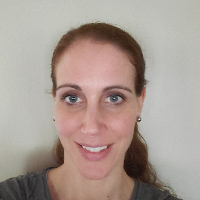
About Lindsay
Lindsay Zimmitti is a licensed clinical social worker who helps people manage anxiety and other concerns. She focuses on practical steps clients can use right away. Lindsay aims to listen, clarify goals, and build simple tools people can use every day.
Her style is direct and warm. She treats each person as the expert in their life and works alongside them to solve problems. Sessions often focus on problem solving, skill-building, and making changes that fit a person's real life.
Background and approach
Lindsay brings 18 years of experience in settings such as inpatient, outpatient, in-home, and school environments. That background gives her a wide view of how problems show up for different people. She also has degrees in psychology and social work plus a certification in special education.
She has worked with a broad range of concerns including anxiety, depression, trauma and abuse, addictions, grief, and relationship issues. Lindsay adapts what she does to fit each person's needs instead of using one set approach for everyone. Clients can expect straightforward feedback and collaborative planning.
Lindsay helps people break bigger problems into small, achievable steps. The practice emphasizes tools that people can use between sessions to handle stress and move toward their goals.
How therapeutic approaches fit into online therapy
Many effective methods focus on skills people can use right away. Cognitive strategies help identify and change unhelpful thinking patterns that fuel anxiety and low mood, teaching practical ways to reframe thoughts and test beliefs. Trauma-informed care emphasizes safety, pacing, and rebuilding coping skills after difficult experiences, supporting people to process strong emotions at a manageable pace.Finding the right approach is a collaborative process. The therapist will talk with clients about their goals, what has worked before, and what feels manageable. Together they decide which techniques to try and adjust the plan as progress is made.
Online formats make regular work easier to fit into busy lives. Video calls let people meet face to face when more contact is helpful. Phone sessions can work when bandwidth is limited or a shorter check-in is needed. Live chat and text-based messaging are useful for brief updates, tracking progress, and getting tools between scheduled sessions. These options offer flexibility so therapy can continue around work, childcare, or other commitments.
Questions people ask
What kinds of problems does she help with?
What is her general therapeutic approach or style?
How long has she been practicing?
What are her credentials and where is she located?
Which languages are supported and can she work with international clients?
What session formats are available?
How does billing and cost work?
What should I do to begin working together?
What this therapist works with
Most often
- Addictions
- Family conflicts
- Trauma and abuse
Also listed
- ADHD
- Anger management
- Bipolar disorder
- Career difficulties
- Coping with life changes
- Depression
- Grief
- Intimacy-related issues
- Parenting issues
- Relationship issues
- Self esteem
- Stress, Anxiety
- Experience
- 18 years
- Licensed
- Connecticut
- Languages
- English
We will earn a commission if you sign up through our link, at no cost to you.