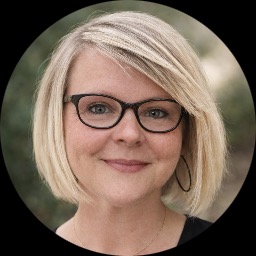
About Laura
Laura Smith is a licensed clinical mental health counselor (LCMHC) based in North Carolina who helps people manage stress, anxiety, depression, and trauma. She works with people on relationship and family concerns, grief, self-esteem, parenting strain, and issues around intimacy and sexual identity. Laura offers down-to-earth support and practical steps for daily struggles.
With eight years of experience, she uses a blend of familiar, research-backed techniques to guide sessions. Conversations focus on real problems and useful skills rather than jargon.
Background and approach
Sessions aim to help people notice patterns, practice new ways of coping, and make small, manageable changes. Laura strives to make sessions warm and respectful. She adapts her approach to match each person’s needs and goals.
That can mean learning simple behavior strategies, looking at stories people tell about themselves, or working through difficult feelings step by step. She has worked with survivors of abuse and people facing bereavement, eating and sleeping difficulties, anger, career concerns, and mood swings related to bipolar disorder. Laura also supports clients who identify as LGBT and those dealing with family conflict.
Practical matters are part of the work. Sessions can include skill practice, planning next steps, and checking progress between meetings. The focus is on helping people regain steady ground and build things that feel sustainable in daily life.
Approaches for anxiety and life transitions online
Laura uses evidence-based techniques that help with overwhelming feelings and unhelpful thinking. Cognitive behavioral approaches focus on spotting and changing thoughts and behaviors that keep anxiety and low mood going. These techniques help with worry, panic, sleep problems, and everyday mood shifts by teaching small, practical experiments and coping skills.She also draws on person-centered and narrative ideas that help people make sense of their experiences. Person-centered work emphasizes listening, empathy, and supporting each person’s own goals. Narrative-influenced work helps people examine the stories they tell about themselves and try different, more helpful narratives when old patterns cause pain.
Finding the right mix is part of the process. The therapist will work together with each person to choose techniques that fit their needs, goals, and preferences. That collaborative process can be revisited as progress is made or circumstances change.
Online sessions offer flexibility for busy lives. Video calls let people work face-to-face from different locations. Phone sessions can be useful when bandwidth or camera use is a concern. Live chat or text-based messaging supports shorter check-ins, written reflection, or ongoing support between sessions. Together these formats make it easier to fit therapy into work, family, and travel schedules while keeping the focus on practical tools and steady progress.
Questions people ask
What concerns does she address?
What is her general approach in sessions?
How much experience does she bring?
What are her credentials and where is she based?
Which languages are supported for sessions?
Can people outside the United States work with her?
What formats are available for therapy?
How are fees and getting started handled?
What this therapist works with
Also listed
- Anger management
- Bipolar disorder
- Career difficulties
- Depression
- Eating disorders
- Family conflicts
- Grief
- Intimacy-related issues
- LGBT
- Parenting issues
- Relationship issues
- Sleeping disorders
- Experience
- 8 years
- Licensed
- North Carolina
- Languages
- English
We will earn a commission if you sign up through our link, at no cost to you.