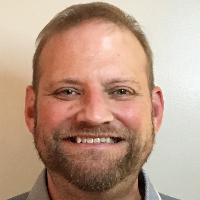
About Jon
Jon Weber is a licensed master social worker (LMSW) based in Michigan with nine years of clinical experience. He focuses on anxiety and related concerns and aims to make therapy straightforward and practical. Jon listens carefully and helps people figure out what matters most to them.
Before independent practice he worked in a residential inpatient treatment center where he supported people with substance use challenges and trauma. That background shaped his interest in helping people manage anxiety, depression, grief, and mood instability.
Background and approach
He also has experience with attention concerns like ADHD. Jon uses clear, person-centered work. He draws on Dialectical Behavior Therapy (DBT), mindfulness approaches, motivational interviewing, and solution-focused techniques to build coping skills.
Sessions typically involve setting simple goals and practicing strategies that can be used between meetings. He takes a trauma-informed stance and moves at each person’s pace. That means prioritizing safety, reducing overwhelm, and choosing skills that fit daily life.
Expect direct coaching, emotion regulation tools, and short exercises you can try on your own. Many people come for help with stress or panic, and leave with better ways to manage intense moments and rebuild confidence. Jon aims to keep sessions practical, respectful, and focused on real-world progress.
Online tools paired with practical approaches
Jon uses Dialectical Behavior Therapy (DBT) and Mindfulness Therapy to help people manage intense emotions and lower reactivity. DBT focuses on skills like emotion regulation and distress tolerance that are useful during panic or overwhelming stress. Mindfulness Therapy centers on present-moment awareness and simple attention practices to reduce worry and improve focus.He also uses Motivational Interviewing to help people clarify goals and strengthen commitment to change. That approach is conversational and helps you find your own reasons for making a shift, whether it's reducing avoidance, addressing substance use, or building routines.
Finding the right approach is collaborative. The therapist will talk through your needs, goals, and preferences and help choose methods that fit your life. Sessions can blend skill teaching, brief practice, and planning for real-world use so you know what to try between meetings.
Online therapy offers flexible ways to meet. Video calls allow face-to-face coaching, phone sessions can work with lower bandwidth or while multitasking, live chat supports shorter check-ins, and text messaging lets you share updates and get feedback between sessions. These options make it easier to fit therapy into a busy schedule and keep momentum between appointments.
Questions people ask
What concerns does he help with?
What is his therapy style like?
How much clinical experience does he have?
What credentials and where is he licensed?
Which languages are supported?
What session formats are available?
How are sessions priced?
How do I begin working with him?
What this therapist works with
Most often
Also listed
- ADHD
- Bipolar disorder
- Family conflicts
- Grief
- Relationship issues
- Trauma and abuse
Therapeutic approaches
- Experience
- 9 years
- Licensed
- Michigan
- Languages
- English
We will earn a commission if you sign up through our link, at no cost to you.